The Regional Mexican charts of 1996 held four separate genres. One of them was the deathless norteño of Los Tigres and Los Huracanes; the other three were in various stages of decline.
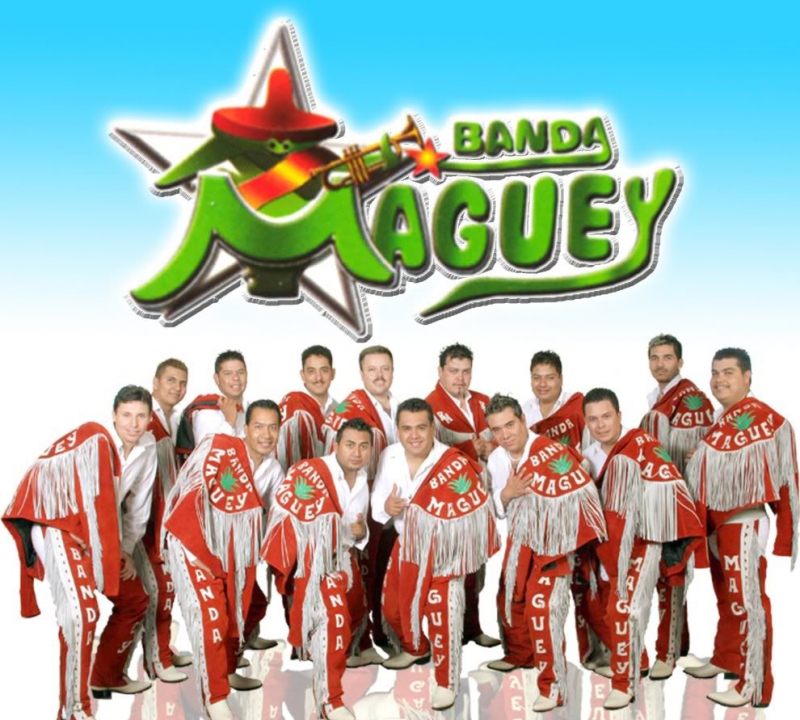
The technobanda of Bandas Machos and Maguey still thrived, but in a few years would be eclipsed by acoustic banda. Helena Simonett’s book Banda lays out the commercial leapfrogging these two styles played with one another throughout the ’90s.
Tejano fans were still mourning Selena — see #7 below — but they were also welcoming newcomers like Jennifer Peña y Los Jetz (see the Pick to Click, below) and Bobby Pulido (see the terrible song right below her). There were, however, rumblings on the horizon. San Antonio and Dallas were suffering from too many Tejano bookers flooding the market, one promoter told Billboard‘s Ramiro Burr. Some bands complained that clubs were replacing live bands with DJs. Burr would spend the next several years chronicling the decline of the Tejano genre as a commercial force, though it still exists for a small but fervent fanbase.
The third synth-based style, grupo music, also still exists, but its commercial mojo would peter out more abruptly. Marco Antonio Solís had just left Los Bukis and was scoring a bunch of solo Hot Latin #1 hits that sounded way more pop than the rest of his cohort. (See #2 below.) Bronco would retire in 1997, leaving Los Temerarios and Los Mismos to care for the genre. I think. NorteñoBlog’s disinterest in grupo music remains strong and resolute.
[EDIT: I just checked and Los Temerarios were still scoring big hits in 2004, and possibly later, so maybe the petering was more gradual.]
These were the Top 15 Regional Mexican songs, as published by Billboard on November 9, 1996: Continue reading “Archivos de 1996 (starring Jennifer y Los Jetz, Los Tigres, y más)”
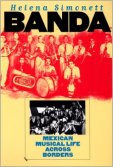 Current reading on the NorteñoBlog nightstand is Helena Simonett’s 2001 book Banda: Mexican Musical Life Across Borders. Simonett is an ethnomusicologist at Vanderbilt University; she spent much of the ’90s interviewing banda musicians and fans around L.A. and northwestern Mexico. If you think back to ’90s banda — at least
 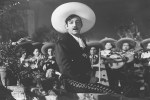 As told by Simonett, this history is complex, so here’s an oversimplification. For much of its early history, banda was largely confined to the state of Sinaloa in northwestern Mexico. (How it got there is a whole other story.) Mexico’s intellectual elite, centered in Mexico City, pushed mariachi as the national music of the people — it was cultivated by radio and the national government, which required mariachi bands play the capital in elegant charro costumes. Mariachi musicians still weren’t rich, but their string-based folk music was considered more noble and sophisticated than that of the bandas, even when the ensembles were playing many of the same songs. The difference? “Sinaloan intellectuals had never considered regional banda music folk music,” writes Simonett. “It was never the focus of interest, never presented as a tourist article, and never used for national political purposes… It evolved in the shadow of the periphery.”



 NorteñoBlog