Search

NorteñoBlog

music, charts, opinions

Author

joshlanghoff

Diana Reyes – MIS MEJORES DURANGUENSES

dianareyes_albumreview_splash650

At PopMatters, I wrote 1,000 words about this solid career overview that someone else, somewhere, must care about:

Diana Reyes – Mis Mejores Duranguenses (DR Promotions)

In the title of her new career retrospective, Diana Reyes unapologetically invokes the “d” word. The album’s called Mis Mejores Duranguenses, a perfectly accurate title that nonetheless situates Reyes in a previous decade, out of vogue in today’s Mexican music world. But despite its nostalgic aura, that word, that genre—duranguense—is integral to what makes Reyes such a vital singer. Like Donna Summer, forever tied to a different dance music “d” word, Reyes transcends the style that made her transcendence possible.

For the past few years, being a duranguense fan in the norteño world has felt like being a scorpion set loose at a Sierra Club meeting. Everyone runs away when they see you coming, but once they’re safely across the room, they talk about you with condescending pity and acknowledge your Vital Role. Springing from the state of Durango and its satellite city Chicago around 2002-04, duranguense was, for a few years, the hot sound of regional Mexican music. That sound was a pared down take on banda with synth oompahs, ultra-speedy tempos, unhinged tambora (a bass drum with cymbals on top) acting like a lead instrument, and a ridiculous dance step all its own. Dancing el pasito duranguense was like “having gum stuck [on] the bottom of your shoe and trying to get it off,” explained dancer Jaime Barraza to the radio show “The World”.

By decade’s end, the genre itself had become stuck. Thanks to band infighting, legal wrangles, and the winds of popularity shifting from Durango to Sinaloa’s bandas and corridos, duranguense’s popularity dwindled. Maybe not down to the level of used chewing gum—recent videos by genre stalwarts Grupo Montéz and Alacranes Musical still command around a million hits apiece—but pretty far. Far enough that the annual Radio Éxitos compilation, which used to be one third duranguense, now shuns the genre. Even Los Horóscopos de Durango jumped ship; the band has sold its keyboards and bought tubas, and now it plays banda sinaloense.

Born in Baja California, with family from Sinaloa, Diana Reyes began her singing career recording traditional norteño. In 2004 she hopped aboard the Durango bandwagon and released six or seven albums for labels both major and minor, including DBC, the label she founded. To give you an idea how bankable this stuff was, that “or seventh” album was a Christmas record for Universal, Navidad Duranguense. She wasn’t alone. During those gold rush years, at least three other bands released Christmas albums with the same title.

Reyes was a welcome presence in the genre. Her husky voice was a powerhouse, and she could fray it at exactly the right emotional high points. Though you’d sometimes catch her chuckling, she sang with a gravitas that gave counterweight to her skippety-skip music. Look, let’s put our duranguense cards on the table. Lots of people hated this style and called it ridiculous circus music. They had a point. Most duranguense acts sounded like they were vying for Chintziest Synth Sound at the county fair. To overcome that handicap, musicians either had to own the chintz and become the wildest band in town and maybe cover “The Night Chicago Died”, like the sainted clowns in Banda Lamento Show, or they had to use their genre trappings to make perfect pop songs, like Diana Reyes.

At her best, Reyes achieved what Hi-NRG singers like Laura Branigan and Exposé did in their own genres: heartbreaking melodic lines belted over beats of endless momentum. Since Reyes’s beats were mostly polkas, the 20 songs on Mis Mejores might take some getting used to. After a few songs, though, the oompah is so consistent it falls away, and you’re left with the tune and the unpredictable clatter of percussion, clarinet, and bargain basement synth presets (yikes) popping out like the cast of Laugh In. In Reyes’s two biggest hits, 2004’s “Rosas” and 2007’s “Cuando Baja La Marea”, the band is so tight the players could be on autopilot, but their stop-on-a-dime breaks and complicated fills reveal otherwise. The melody to “Marea” takes advantage of the polka’s two-step feel to stretch and contract its phrase lengths like taffy. 2005’s “Mentiras” pulls the same trick. No longer tethered to predictable four-bar phrases, these melodies are free to start earlier than you expect, or extend longer than normal, giving them an emotional weightlessness. “Forget the beat,” Reyes and the melody say, “this is how I feel.”

What she feels is mostly sad, and then angry about the sadness. 2009’s album ¡Vamos a Bailar! opened not with an exhortation to dance, but with the post-breakup pine “¿Dónde Están?” A sub-Winwood keyboard fart reminds you this is a duranguense song. Reyes establishes the breakup in a thick purr, but once she hits the chorus, she and the snare drummer belt you with that string of questions: where are all those letters and flowers and visits and kisses? Our bodies, the ones that used to be close to one another—where are they? Turn your attention from Reyes to the band, and you’ll realize the keyboards and woodwinds are still going, but they no longer sound cheesy. They’re simply adding to the bedlam.

In 2010 Reyes released her best album, Amame Besame, through Capitol Records. Half-duranguense, half-techno cumbia, and all exquisitely produced, it effectively marked the end of duranguense not just for Reyes but for regional Mexican music in general. Apart from duranguense Reyes has been less exciting. Her 2011 roots album Ajustando Cuentas took on traditional banda. Her voice sounded spectacular, but the banda arrangements were too perfect—they were there to showcase her, not to be her sparring partners. Most recently, Reyes released a power ballad telenovela theme, “Yo No Creo En Los Hombres.” (Hey, me neither.) I won’t vouch for the song, whose horns read more “‘80s Chicago” than any horn-based music you’d actually wanna hear wafting from our fair city, but her voice remains a powerhouse. As for this new hits album, you’d think 20 straight duranguenses would be too many. And while some variety would be nice, the beats never quit, the new romantic melodies never flag, and the instrumentalists never stop finding new ways to go apeshit. Plus, Reyes’s voice might make people nostalgic for a time when they could reliably hear women’s voices on regional Mexican radio. Let’s hope so.

¡Nuevo!

????????????????????????????????????????????????????????????????????????????????????????????????????????????????????????????????????????????????????????????????????????????????????????????????????????????????????????????????????????????????????????????????????????????????????????????????????????????????????????????????????????????????????????????????????????????????????????????????????????????????????????????????

This week’s new or newish releases are motley and middling, sort of like the white elephant prize table at the office Christmas party.

Alfredo Olivas – El Privilegio (Sahuaro/Sony)
When we encountered Alfredito last week, we were hearing his song “Con La Novedad” covered by Banda Rancho Viejo. It’s possible this album won’t actually be released until January, per Amazon, but it’s also possible the whole thing’s currently up on Youtube, what with the Sony corporation’s attentions somewhat diverted these days. Olivas is a distinctive and “ito”-faced corridista and romantic who works with both a banda and a small group. He had a couple tracks on Hyphy’s El Corrido VIP comp.

Siggno – Zodiacal (Martzcom/Freddie)
and
Salido – “Ya No Eres La Misma” (Martzcom/Freddie)
Intocablish lopers.

Los Palominos – Strait Tejano (Urbana)
Now here’s something you don’t see every day: a Tejano band releasing an album of George Strait covers. Interesting, eh? In theory, at least. From what I’ve heard, these songs are less interesting than Strait’s own cover of José Alfredo Jiménez, “El Rey,” which may deserve its own thesis.

La Trakalosa de Monterrey – “Broche De Oro” (Remex)
A fairly nothing ballad with some nice close harmonies. Their padrino el diablo made them do it.

Chavela Vargas – Que Te Vaya Bonito (Caribe reissue)
Easily the most interesting person on this list, Vargas was a highly dramatic singer of ranchera torch songs, a movie actor, and a lesbian who came out late in life. Here’s a thesis to read! Like “El Rey,” this collection’s title song was written by José Alfredo Jiménez.

La Nueva Rebelión on the Jukebox

rebelion

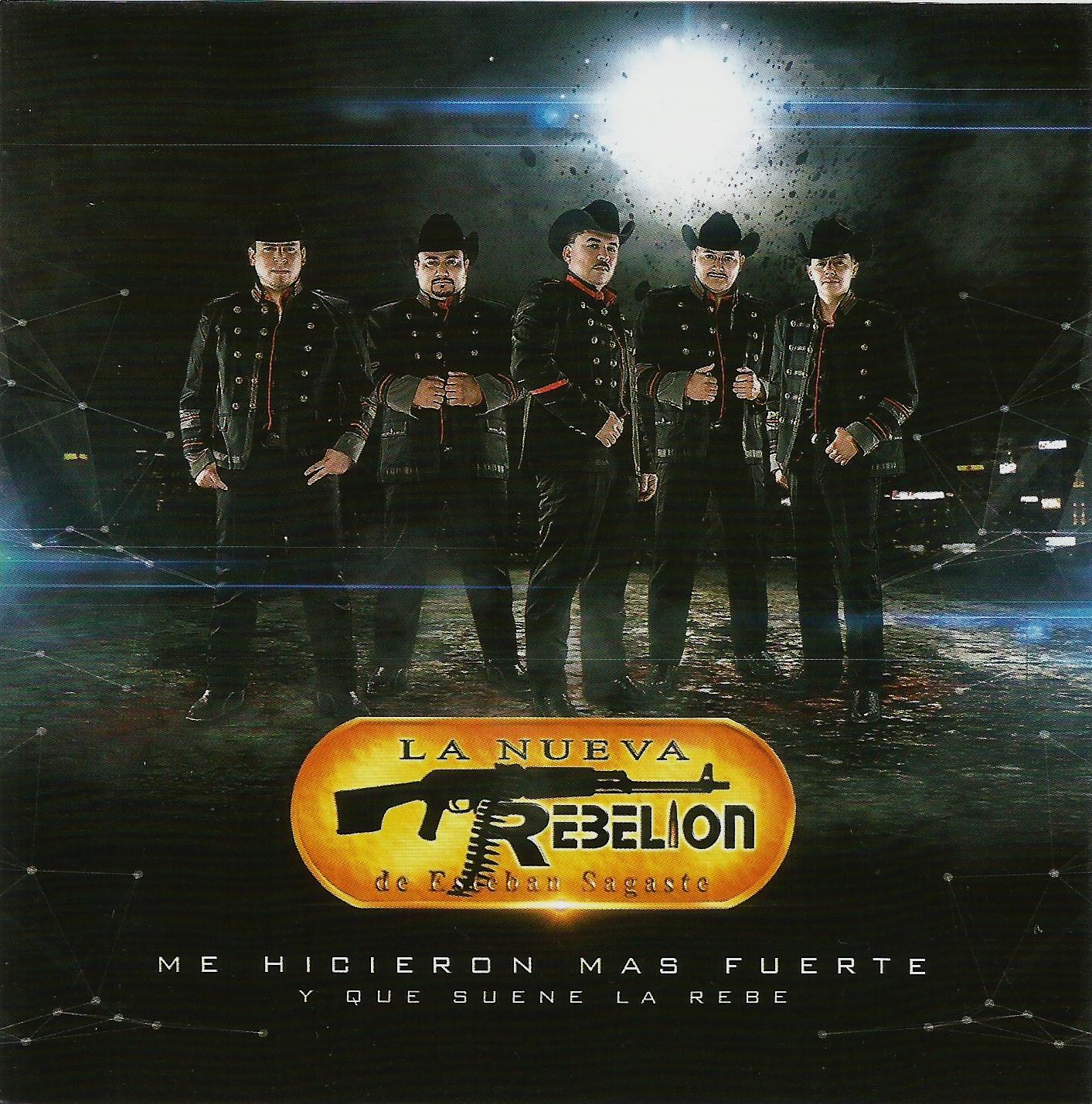
We wrote about La Nueva Rebelión’s “Me Hicieron Mas Fuerte” at The Singles Jukebox, awarding it an entirely respectable collective score of 7/10. My take, pulled apart:

1) La Nueva Rebelión rocks harder than most rock bands. I apologize for writing that. I intended to broaden the canon and poke a stick into rockist eyes, but instead I ended up using “rock” as a verb.

2) Why do we still do that? Is rock music still central to anything? Why doesn’t anyone say rockers “out-norteño most norteño bands” when they sing about vengeance and hardscrabble origins and that that don’t kill them making them stronger? For that matter, why don’t we say it of Kanye or Kelly? (“Norteño isn’t a verb!” shouts my Mom, but you know what I mean.) The usual suspects — “rockism,” privilege, most music writers not knowing Spanish — can’t explain why my “out-norteño” formulation feels so unlikely. Turning to norteño to make sense of other pop music? Unimaginable!

3) Look, certain segments of the critical population really want Arcade Fire to be a disco band, and I can well imagine some careless strawman critic saying they “out-disco most disco bands.” I can even imagine (I don’t have to imagine!) someone explaining an English-language song as “more K-pop than K-pop.” Disco and K-pop have both “rocked harder than most rock music” on occasion, but they’ve also opened themselves to pillage by other genres.

4) So if rock’s no longer central, if all these different genres are out there grabbing at one another, my question becomes: Why is norteño still so peripheral to the music crit corpus? The answer may be self-sustainability: musically and commercially, norteño bands are doing just fine, thanks, and they don’t need to make concessions to a mystified potential audience.

5) Yet here we have La Nueva Rebelión playing rock music, clearly and without ambiguity. Sure the song’s a waltz. Sure the lead instrument’s an accordion instead of a guitar, but listen to the sloppy virtuosity, the way accordion and bajo sexto don’t quite line up but still keep perfect time; or to those six-bar vocal glissandos over one pounded chord; or, for that matter, to the chord changes, which abandon norteño’s variations on I-IV-V polka patterns in favor of leaning on a flat 7 chord. The newest Rock Hall inductees use flat 7 a bunch.

6) The members of La Nueva Rebelión love to rock so they wrote their own rock song, and if they know how rock works they might also see that it’s a mouldering corpse. But here they are, making the rockist corpse — my corpse — dance with as much unpredictable lightning as I’ve heard this year. They’ve shoved a stick through my eye. It’s making me twitch with pleasure.

Lo Mejor De 2014

julion_alvarez_video-movil

At PopMatters you can read my list of the year’s best music — or if reverse-order lists make you feel uneasy, you can just read it here! For the PopMatters list, Matt Cibula, who’s been writing about norteño music longer than I have, added Regulo Caro’s metal-biting Senzu-Rah.

Beware: what follows may contain tubas. Also accordions, clarinets, canned gunfire, protest songs, dance songs, songs about roosters, songs about drug cartels, songs using drug cartels as metaphors to make the singers seem intimidating and/or awesome and/or “authentic,” songs using roosters the same way, and amor. Lots and lots of amor. Any kind of amor you can think of, unless it’s completely unremarkable and pedestrian. That’s not how these singers do amor.

In 2014, norteño quartets and big brass bandas continued to dominate the Mexican music charts, awkwardly named “Regional Mexican” in the U.S. and, somewhat less awkwardly, “Popular” in the motherland. (That’s “Popular” as opposed to “Pop” or “General,” both of which include Ricky Martin. We’re not talking about Ricky Martin.) Nominally these are “country” styles, but they’re a country music that borrows imagery from rap and 100-year-old folk songs, and chord changes from Tin Pan Alley and hard rock. In those regards, this music’s not too different from modern city-slicker pop country. But comparisons will only get you so far, because ultimately norteño and banda are pure pop for their audiences: Mexicans, Latino Americans, and anyone else (hi!) lucky enough to have radio stations (95.5 “El Patrón”!) that allow us to listen along. Not everything below is radio fare, but it’s all grabby like the best pop music. And while understanding Spanish can make listening more fun, particularly when cusswords are involved, it’s certainly not required.

ALBUMS

popmatters album1 alvarezJulión Álvarez y Su Norteño Banda – Soy Lo Que Quiero… Indispensable – Fonovisa
Indispensable is a shiny pop album in caballero drag. That’s true of most major label banda albums anymore, but this one has an advantage: the best singer on the continent. A young man blessed with a voice dusty as the Sierra, Álvarez sings 12 short songs with a mix of high melodrama and lived-in naturalism. Lead single “Te Hubieras Ido Antes” is a good example — listen to the way his voice tugs against the stately waltz laid down by the banda, falling behind the beat almost immediately. For a delicious moment it’s unclear whether he’ll make it out of the chorus. Eventually he does, big surprise, and goes on to some very happy flirtations with cumbia, corrido, and a woman with “Ojos Verdes” who inspires a gorgeous midtempo love song. “Hoy mi pena ya no duele,” sings Álvarez — “Today my pain doesn’t hurt.” I feel the same way whenever Indispensable is playing.
popmatters album2 rebelionLa Nueva Rebelión – Me Hicieron Mas Fuerte – LR
They’re 26 hours drunk, their songs are full of second hand hoods, and they have very defensive notions of justice and vengeance. Is La Nueva Rebelión the only rock ‘n’ roll band that matters? I don’t wanna overstate my case for the aesthetic achievements of their corrido lyrics, partly because I don’t understand the nuances of Spanish, partly because “aesthetic achievement” only matters if it brings the songs to life. That’s where Rebelión excel. They populate their songs with as lively an assortment of characters and life lessons as Springsteen or Jay-Z or whoever your favorite world creator is. That energy spills over into their music, with the singers harmonizing at crooked intervals, the accordion and bajo sexto filling every bit of sonic space, and the drummer, g-d bless him, flailing like Tommy Lee tearing up a hotel room.

popmatters album3 komanderEl Komander – Cazador – Twiins
With his aviator shades, fealty to country living, and endorsement of la mota, Alfredo Ríos could almost be Eric Church, if Church had Brantley Gilbert’s vocal range and described gangland killings in gory detail. For Cazador, Ríos has dialed down the gore but not the substance abuse. His band plays wonderfully loose and shaggy norteño, augmented by demented horns that jump out of nowhere and sound like they’re two hits away from falling down. Lead song “Toquezones de Cannabis” sets the tone; its abrupt tempo shifts will either make you laugh uncontrollably or start freaking out. Despite having about eight notes at its disposal, Ríos’s voice has charisma to burn. He only fools himself into trying to sing pretty once, on the mariachi ballad “Descansa Mi Amor,” where his ideal of love is a whispering frog.

popmatters album4 torresNoel Torres – La Balanza – Gerencia 360/Sony Latin
Torres’s whirling dervish accordion and propulsive band were musical highlights a year ago. This year’s La Balanza is an unwelcome step toward respectability — it’s a touch less surprising and it flags near the end. But Jesse “El Pulpo” Esquivel is still pounding the skins in a way that makes music writers write things like “pounding the skins,” and Torres stages a couple coups. Coup #1 is hitting the charts with “Amanecí Con Ganas”, a funny scenario involving a spoiled rich girl, her gun-toting father, and an alarmed Torres in the role of profane farm boy Westley. Coup #2, “El Cambio”, pays tribute to Mexico’s autodefensas, the local self-defense militias standing up to cartels and Mexico’s corrupt government. In the U.S., with our overheated 2nd Amendment rhetoric and open carry wingnuts, a song like this might make you cringe. But its anthemic melody is undeniable, and it shows Torres experimenting like few other norteño songwriters.

popmatters album5 guzmanNena Guzman – La Iniciativa – Del/Sony Latin
A forthright singer who lets her brass players take care of the sentimental stuff, Guzman doesn’t do melodrama, or even vibrato. Sometimes she veers close to telenovela territory — playing the other woman in “Yo Soy La Amante”, she cattily reveals her identity to the first woman, then offers to be her assistant — but even then she sounds cheerful and warm. Corralling her small band is a different story. Though tuba, accordion, and bajo sexto are all technically playing the same songs, they’re locked in a battle to see who can improvise the most notes. Using her syllables to keep time, Guzman strides with authority through a solid batch of corridos, love songs, hate songs, and the requisite cumbia.

popmatters album7 recoditosBanda Los Recoditos – Sueño XXX – Disa
You may have seen the advertisements for this album? Like, they were on condom wrappers? Recoditos is one of the most consistent bands around, both in terms of their quality and their sticking to themes. They never release a bad album. They never release a mind-blowing fantastic album. They tend to sing about sex, XXX-rated dreams, drinking, partying, forgetting what happened during drunken parties, and things of that nature. (Also “love,” blah blah blah.) The musicians play their gleaming arrangements with spectacular dexterity. The singers’ personalities jump off the radio. Basically they are Electric 6. Doesn’t it seem like Electric 6 should advertise on condom wrappers?

popmatters album8 castilloMartin Castillo – Mundo de Ilusiones – Gerencia 360/Sony Latin
On the better of his two 2014 albums, Martin Castillo sings, drums, writes corridos, and leads his band with the same aim: attaining the norteño sublime. (Apologies to the late hip-hop scholar Adam Krims.) The first half of Mundo de Ilusiones (Castillo sees deeply) features a banda, and it’s pretty good, peaking early with the minor hit “Así Será”. But Castillo hits his stride on the last six songs when, joined by his quartet, he tosses off one corrido after another. Each song features one instantly memorable melody that Castillo sings over and over, meditating on the nature of illicit power, while around him the band weaves polyphonic tales of its own. This is the sierra of Castillo’s imagination: a complicated tangle of associations bespeaking a force best left implicit.

popmatters album9 favelaAdriel Favela – Mujeres de Tu Tipo – Gerencia 360/Sony Latin
Young Favela has the most soothing voice this side of Glenn Medeiros. In fact, you might have to go back to ‘70s AM radio to find soothingness of this magnitude. The overconfident title song suggests Favela would benefit from spending time with Miranda Lambert’s “Girls”, but his voice is so comforting it’s impossible to dislike him. How do you hate a warm bath? For a while Favela’s second album edges toward classic MOR, with the horns in “Cómo Olvidarla” attempting Tower of Power riffs, and “Murió El Amor” threatening to become “Every Rose Has Its Thorn”. But the back half delivers a string of corridos, played by an exceptional band and sung with a warmth not often associated with drug cartel honchos.

Also worthwhile:

Los Tigres Del Norte – Realidades – Fonovisa
Diana Reyes – Mis Mejores Duranguenses – DR
Los Rieleros del Norte – En Tus Manos – Goldfink/Sony
La Adictiva Banda San José de Mesillas – Disfruté Engañarte – Sony Latin

SINGLES

La Nueva Rebelión – “Me Hicieron Mas Fuerte” – LR Music
Lately, certain corrido bands have rocked harder and wilder than most rockers claiming the title. (Like, for instance, Good Time Rockin’ Jack White — his latest is OK, in the way reading someone’s dissertation is OK.) It’s still rare, though, to catch the norteño guys playing songs that would, in any other context, be considered rock music, which makes the title single from La Nueva Rebelión’s latest such a blast. Literally — the video’s body count is high. This manifesto of vengeful resolve opens with a trio texture straight from the Minutemen, and then the accordion kicks in — you always thought the Minutemen needed an accordion, right? The band launches into a power waltz, built on a chord change I think Black Flag once used, with both singers’ voices straaaaaaaaining into the chorus, shouting threats at their haters until the instruments have no choice but to collapse. It’s the most exciting four minutes of music this year. Trigger warning: things don’t end well for the horse.

Julión Álvarez y Su Norteño Banda – “Y Así Fue” – Fonovisa
Julión Álvarez sings his love songs with a smoky warble that makes him sound twice his age. Makes sense, since on paper this hit — rubbing shoulders with Romeo and Enrique on the Hot Latin chart — could be an ace pre-Beatles pop song, complete with those magic changes and a tune that’s unforgettable because it simply follows those chords around. But in the world of banda, those pop chords, along with the band’s relentless syncopated rhythms and the recording’s knifelike sheen, make this song sound utterly contemporary. Think “In the Still of the Night,” only faster, hornier, and hornier — Álvarez and his ladyfriend give it up on the first date, and so they go from there.

El Komander – “Soy De Rancho” – Twiins
Back in April at the EMP Pop Conference in Seattle (home to FM 99.3 “La Gran D”), Professor Josh Kun described how people’s mobility — across borders, or from country to city and back again — is central to the mezcla of genres known as “Regional Mexican.” Alfredo Ríos, “El Komander”, agrees. “Sí, Señor, yo soy de rancho,” he tells a U.S. border official, right before Ríos’s tuba player farts in the guy’s face. Over furious accordion and a ramshackle acoustic waltz, Ríos goes on to describe a ranchera paradise full of singing cocks and weed-covered hills, but also admits his fondness for citified flashy brands and fast cars that may or may not have been afforded by those weed-covered hills. A man for all people! The people agreed, making this his first top 10 hit in the U.S.

Alacranes Musical – “Zapateado Encabronado #3” – A.M.
10 reasons you shouldn’t listen to this song: 1) The video endorses cockfighting. 2) The two drummers, while not explicitly endorsing cockfighting, sure make a lot of scritchy scratchy sounds that may or may not imitate agitated cocks scampering around mid-fight. 3) The song’s repetitive accordion+sax+synth riffs could drive you to drink. 4) I, for instance, am cracking open a bottle of Buchanan’s. Come over! 5) If you get drunk and start messing with cocks, Alacranes Musical will not help clean up your mess. 6) There’s no bass or even tuba in this song, so Alacranes Musical are clearly ripping off “When Doves Cry”, which also had no bass or even tuba. 7) “When Cocks Cry”. This song made me type that. 8) The third installment in a saga is always the weakest. 9) Oh wait, Toy Story. 10) OMG, are you remembering a cockfighting sequence in one of the Toy Story movies? It was like in a flashback, Sarah McLachlan was singing about sad cocks… WHAT ON EARTH AM I THINKING OF???

Gerardo Ortiz – “Eres Una Niña” – Del/Sony Latin
Like Adriel Favela, Ortiz could stand to sit down with Miranda Lambert’s “Girls”, but we’ll cut him some slack since he released his own 16-song masterpiece a year ago. Its third single, a chivalrous offer to kiss the extremities of a young woman until she screams the word “Gerardo”, innovates by sticking bachata guitar into the Sinaloan banda mix. Its melody is long and winding like Ortiz’s gilded tongue. Even though the current face of regional Mexican music isn’t really directing his song at me, it still sets my heart aflutter.

La Trakalosa De Monterrey – “Mi Padrino El Diablo” – Remex
You know the old story. Kid runs away from his abusive dad, falls asleep in a drainage ditch, wakes up to a Companion of Black touching his forehead, and joins a new family: the Devil’s family! What could possibly go wrong? From Faust to Coraline, Robert Johnson to Tom Hagen, the myth finds its way to “Mi Padrino” and its 40-odd-million Youtube views. La Trakalosa mix a small band texture with brass fanfares, an exciting gimmick that became al corriente this year — see also Los Buitres de Culiacán’s best songs.

Calibre 50 ft. El Komander – “Qué Tiene De Malo” – Disa
It’s not often a protest song hits #1 on any chart. But when two of Sinaloan corrido music’s leading flamethrowers teamed up for this ode to free speech, they topped the radio charts in Mexico. Granted, it’s sort of a self-serving protest. Both Calibre and Komander have been fined or banned in various Mexican localities, for the crime of “inciting violence” with their music, when really all they’ve ever tried to incite was the purchase of Calibre and Komander records. So they wrote this song on behalf of all hard-working citizens who enjoy listening to songs about drug murders. They wrote it for YOU! It’s sort of like when Anthrax did “Startin’ Up a Posse”, only much better — the whole thing swings like some fearsome pendular tuba.

Los Horóscopos de Durango – “Las Chicas Malas” – Universal Latin
Having jettisoned duranguense three albums ago, the Terrazas sisters throw themselves into Jenni Rivera mode, putting their banda musicians’ fingers to work as they embark on a wild night of drinking and, if the video can be believed, destructive pillow fights. Sometimes after the song has ended, I can still hear the screaming.

Also worthwhile:

Marco Flores Y La Número 1 Banda Jerez – “Soy El Bueno” – Remex

Banda MS – “Hermosa Experiencia” – Discos Sabinas

Regulo Caro – “Soltero Disponible” – Del/Sony Latin

Los Buitres de Culiacán – “Mejor Soltero” – Sony Latin

Desfile De Éxitos

camacho

These are the top 25 Hot Latin Songs and top 20 Regional Mexican Songs, courtesy Billboard, as published Dec. 20. Things to note:

The Finnegan’s Wake book club chart count for “Propuesta Indecente” increases to 72 weeks. Speaking of which, King Romeo has four songs in the Top 10. The Hot Latin chart is BOOOOOORRRRIIIIIINNNNNGGGGGG.

On Hot Latin we say adiós to Camila’s “Perdón” and Prince Royce’s “Soy El Mismo.” In Regional Mexican, we show to the door strategically facial-haired Fidel Rueda, young and peach fuzzy Luis Coronel, and Banda Carnaval’s “Manos” — careful, you don’t know where those things have been! Hola to Proyecto X, La Adictiva, and especially Ariel Camacho, hitting both charts with a meditative take on “El Karma,” which also showed up on Noel Torres’s recent album as a shitkicking duet with Voz De Mando. With its careful harmonies and taunting tuba, Camacho’s version sounds way more sinister.

1. “Bailando” – Enrique ft. Descemer Bueno, Gente de Zona, & the word “contigo”
2. “Ay Vamos” – J Balvin
3. “Propuesta Indecente” – Romeo Santos (I just wanna point out this song is 72 WEEKS OLD, and that maybe someone’s chart methodology needs tweaking.)
4. “Eres Mia” – Romeo Santos
5. “Travesuras” – Nicky Jam
6. “Y Asi Fue” – Julión Álvarez (#1 RegMex) (Is this man the best banda singer around right now? Or should we forget the qualifier?)
7. “6 AM” – J Balvin ft. Farruko
8. “No Me Pidas Perdon” – Banda MS (#6 Reg Mex)
9. “Odio” – Romeo Santos ft. Drake
10. “Yo Tambien” – Romeo Santos ft. Marc Anthony

11. “Javier El de Los Llanos” – Calibre 50 (#3 RegMex)
12. “La Bala” – Los Tigres Del Norte (#2 RegMex)
13. “Tus Besos” – Juan Luis Guerra 440
14. “Eres Una Niña” – Gerardo Ortíz (#9 RegMex) (Hooray!)
15. “Hasta Que Salga el Sol” – Banda Los Recoditos (#5 RegMex)
16. “Levantando Polvadera” – Voz De Mando (#4 RegMex)
17. “Que Suenen Los Tambores” – Victor Manuelle
18. “Adios” – Ricky Martin
19. “El Karma” – Ariel Camacho y Los Plebes Del Rancho (#10 RegMex)
20. “Qué Tiene De Malo” – Calibre 50 ft. El Komander (#17 RegMex)

21. “Quédate Con Ella” – Natalia Jiménez (Sleek! Horns + electrobeats!)
22. “Plakito” – Yandel ft. El General Gadiel
23. “Mi Princesa” – Remmy Valenzuela (#12 RegMex)
24. “Soy Un Desmadre” – Banda Tierra Sagrada ft. Marco Flores y La #1 Banda Jerez (#7 RegMex)
25. “Llegaste Tu” – Luis Fonsi ft. Juan Luis Guerra

—————–

8. “Zapatillas Ferragamo” – Meño Lugo

11. “La Indicada” – Kevin Ortíz
13. “El Agüitado” – Jorge Valenzuela
14. “Al Estilo Mafia” – Saul El Jaguar ft. La Bandononona Clave Nueva de Max Peraza
15. “Ahora Por Ley” – Los Huracanes Del Norte
16. “Asi Ya No” – La Maquinaria Norteña
18. “Soltero Disponible” – Regulo Caro
19. “Eres Tú” – Proyecto X
20. “Disfrute Enganarte” – La Adictiva Banda

Archivos de 1999

angeles-azules-el-liston-de-tu-pelo_1

These were the top Regional Mexican songs of December 18, 1999, as reported by Billboard. Some things to note:

Los Angeles Azules continue to intrigue.

Several of these bands — El Recodo, Primavera, Los Tigres — released music in 2014. All of them sound pretty much the same today as they did 15 years ago.

The attempt to pinpoint when banda pop became today’s banda pop continues. I’m still looking for a swanky swinging midtempo backbeat ballad with doo-wop chord changes played by an entirely brass band. In the meantime, Recodo’s “Te Ofrezco Un Corazón” could’ve been released yesterday, but it’s more what Billboard would call “mainstream banda,” as in this excerpt from the March 3, 2001 issue:

The group’s somewhat avantgarde approach to music can be attributed to Don Cruz, the man who made vocals a staple of the band and who back in 1985 even dared to use a keyboard (not a banda instrument) on one of the group’s live albums.

A typical El Recodo album mixes genres. Y Llegaste Tu, for example, includes merengues and ballads, but the title track is more mainstream banda (in contrast to “Deja,” which is a ballad, says Moreno).

“We’re a typical banda sinaloense [a band from Sinaloa, Mexico, featuring brass instruments and percussion] that’s evolved,” says Alfonso. “We’ve tried to put on a more modern show and at the same time preserve a sound older followers can identify with. We want to offer a first-rate show that’s very Mexican.”

1. “Te Ofrezco Un Corazón”Banda El Recodo
2. “Te Quiero Mucho” – Los Rieleros Del Norte
3. “El Liston De Tu Pelo” – Los Angeles Azules
4. “No Le Ruegues” – Conjunto Primavera
5. “Con Quien Estarás” – Banda Arkangel R-15
6. “Mi Gusto Es” – Ezequiel Peña
7. “Sonador Eterno” – Intocable
8. “Dos Gotas De Agua” – Banda Maguey
9. “Perdoname” – Pepe Aguilar
10. “Paraiso Terrenal” – Priscila Y Sus Balas De Plata
11. “No Compro Amores” – Banda Machos
12. “Alma Rebelde” – Limite
13. “Eternamente” – Vicente Fernández
14. “Con La Soga Al Cuello” – Los Tigres Del Norte
15. “Basura” – Los Mismos

¡Nuevo!

los robleslos robles 2

Abundant biggish names this week, led by:

Banda Rancho Viejo – Dejando Huella (Disa)
Lawyer-turned-producer Fernando Camacho’s LATEST latest moneymaking scheme involves throwing songs at this group of colts, whose 2013 album I enjoyed a lot. Their new album leads with the meh single “De Por Vida,” but on first listen that’s the meh-est thing about it. The highlights are mostly covers: Alfredito Olivas’s “Con La Novedad,” Banda El Mexicano’s delirious study in phonemic differentiation “Ma, Me, Mi, Mo, Mu,” and best of all, Banda Brava’s even more delirious “Cumbia Con Opera,” a 1995 novelty of operatic interpolations that sounds like super-competent junior high kids goofing around. I’m enough of a hick that I find this hilarious.

Voz De Mando – Levantado Polvadera [Deluxe] (Afinarte/Sony)
You remember them — last week labelmates Dueto Consntido were playing “El Rolex” live in front of Voz De Mando’s drum kit. The title song has gone Top 20 Hot Latin, but the sixth-or-so full length by this tuba-anchored corrido band is disappointing, at least on first listen. Like Calibre 50 and LOS! BuiTRES!, whenever they try to break up their corrido onslaught with romantic ballads, their instruments have trouble filling the sonic space. Anemia ensues. Obviously the listening public disagrees with me because they’ve scored some big romantic hits.

Los Robles Del Norte – El Dinero (Frontera)
Los Robles already released one 2014 album, Desde Ojinagua Pal Mundo, with the exact same cover. Four months later, without even bothering to remove the old title, they’ve simply slapped a big pink “EL DINERO” on there and released 10 different songs. This is obviously as radical an act of commodification and semiotic collapse as anything Andy Warhol ever tried. First impression: they sound OK.

Los Rodriguez De Sinaloa – Me Miran Por Mayo (Hyphy)
Though I’ve never listened to a full album by this duo-plus-quartet, I’ve had a soft spot for them since they appeared on Hyphy’s El Corrido VIP comp a couple years ago. They were the most polished of the four bands on that collection, young go-getters while everyone else was bouncing off the cacti, but they were still more raucous than most major label corrido bands. Having since been nominated for “Corrido of the Year” at the Premios De La Radio, they’re back with this promising 16-songer. Lead single is a fast “¡Ay Chiquita!” number called “Lo Bonito De Tenerte,” pleasantly rambunctious.

Also new:
Alejandro Fernández – Confidencias Reales (Fonovisa)
Grupo Exterminador – Es Tiempo De Exterminador (Universal Latino)

¿Qué Estamos Escuchando?

poderosa

La Poderosa Banda San Juan – El Antes Y El Después (Disa)
The latest moneymaking scheme from lawyer-turned-producer Fernando Camacho — he of La Arrolladora Banda El Limón and Banda MS — has so far failed to overpower radio like their older labelmates, but give ‘em time. Camacho’s got connections, so most of these 12 songs were written by established hitmakers, including three apiece by Espinoza Paz and Horacio Palencia. More importantly, Camacho seems to be lavishing these youngsters with his good taste. Yes, they get drippy, but not Arrolladora drippy, and their singles have been energetic minor key waltzes (“Sigue,” the title song), atypically fiery Paz numbers (“Claro,” “Tengo Novia”), and the OK-yes-drippy but swingin’ “Disculpa Corazón”. The token cumbia “Ponle De Eso” showcases rapid-fire muttering from one of the singers. “Tengo Novia,” previously performed by LOS BuiTRES!, is the best of the bunch, a wicked repeating melody offering up a wicked series of excuses for cheating on one’s novia. (Which is presumably why they also had to offer up the disculpa.)
VALE LA PENA

From the March 19, 2011 Billboard:

“[Camacho] has a very good ear in selecting the songs he records and produces,” Fonovisa/Disa VP of marketing Sergio Perez says. “A great deal of his success has to do with being on the street and seeing what’s happening, versus other officebound executives who aren’t up to speed. This may be because as a promoter he’s forced to be at shows, and he can see firsthand people’s reactions to new musical movements.”

When Camacho took over the running of Arrolladora, one of his main objectives was to make it appealing to a younger audience and to simply make it more popular. He pays special attention to lyrics, aiming for messages that are simple and easy to understand but also appeal to the Mexican sense of pride and honor.

“Songs about betrayal and rejection,” Camacho says. “It’s about talking to the person who did you wrong, who stabbed you in the back. This is very traditional in Mexican music, asking, ‘Why did you do this to me, woman?’ “

Nuance is overrated.

Pequeños Musical – Duele Todavia (Baktun 13/Warner Latina)
Speaking of drippiness, “La Banda Más Romántica de América” have some thoughts they would like to share. You have heard these thoughts before. You’ve probably heard their music, too, even if you’ve never actually heard Pequeños Musical proper: three of these songs start with the same brass riff, a descending melody line — the musical equivalent of broken hearts dripping bloody tears — over sad-eyed circle-of-fifths chord changes. Which might be OK, if they played any songs faster than midtempo, or if their singer didn’t have pitch issues, or if they had a tuba instead of an electric bass. Somehow they scored four Espinoza Paz ballads, which my mind has blocked as it must all traumas and/or moments of excruciating boredom.
NO VALE LA PENA

Who’s On the Mexican Radio?

buitres bipolar

These are the top 20 Popular singles in México, as measured by monitorLATINO on December 5, 2014. Things to note:

As expected, there’s more shuffling on this list than on Billboard’s U.S. Regional Mexican Songs chart. (Granted, it’s been a couple weeks since we looked at this chart.) This week we say adiós to the ubiquitous Espinoza Paz, who may soon return with his power ballad about being a decent human being. A sadder adiós to three minor hits that were crass breaths of fresh air: Los Buitres’ “La Bipolar,” “Ya No Vives En Mi” by the preternaturally nomenclaturally gifted La Bandononona, and Banda Los Sebastianes’ “Todo Lo Incluido” — it’s nothing too special as a ballad, but as a study in how to sing high harmonies, oh man.

On the other hand, we welcome Lucero, a real live female, at #20, and at #10, a Recoditos ballad I’ve called “saccharine crap” but is worth hearing just because it’s by Recoditos. Gerardo Ortiz’s bachata-biting “Eres Una Niña” is at #9 — so with Los Tigres still charting and Calibre 50’s “Qué Tiene De Malo” starting to hit in El Norte, that makes three points of overlap with the U.S. chart.

1. “Qué Tiene De Malo” – Calibre 50 ft. El Komander
2. “El Que Se Enamora Pierde” – Banda Carnaval
3. “Hombre Libre” – La Adictiva Banda San José
4. “Cuando Tu Me Besas” – El Bebeto
5. “Dime” – Julión Álvarez y Su Norteño Banda
6. “Háblame De Ti” – Banda MS
7. “Se Me Sigue Notando” – Chuy Lizarraga
8. “Eres Una Niña” – Gerardo Ortiz
9. “Mayor De Edad” – La Original Banda el Limón
10. “Me Sobrabas Tu” – Banda Los Recoditos

11. “Somos Ajenos” – Banda El Recodo
12. “Perdoname Mi Amor” – Los Tucanes De Tijuana
13. “Lo Hiciste Otra Vez” – Arrolladora
14. “Broche De Oro” – Banda La Trakalosa
15. “En Tu Twitter y Facebook” – Danny Guillen (As you might imagine I went for this one first, and hoo boy, is this a terrible song.)
16. “El Papel Cambio” – Alfredo Rios El Komander
17. “La Bala” – Los Tigres Del Norte
18. “Bien Servida” – Los Gfez ft. Diego Herrera
19. “No Te Vayas” – Fidel Rueda
20. “No Entiendo” – Lucero

Create a free website or blog at WordPress.com.

Up ↑