

We begin with a stoic tale of vehicular death. Fuerza Regida‘s “Descansando” began life a couple months ago as an acoustic memorial to one Arturo Garcia, whose truck, according to the song, was la más chingona in all of Houston. “El Fue Arturo” was strummed and sung by the band’s frontman, Jesús Ortiz-Paz, in a rhythmically tricky combo of strong 3/4 guitar chords and prancing 6/8 vocal cadence — supremely groovy despite its bereftitude. The Blog surmises the ode “El Fue Arturo” went viral, as such odes tend to do, especially if they have the backing of Jimmy Humilde and Rancho Humilde Records. From there the song passed into the capable hands of Jesús’s full band, a tuba-bottomed sierreño trio. Well, a trio plus Jesús, who cedes guitar duties to his bandmates and focuses on singing with just the right note of bittersweet dead-homie resignation.
Last time I checked in with the Fuerzas, on their breakthrough single “Radicamos en South Central,” I was nonplussed. Something about “needing backup singers” and “sounding like they were confined to a concrete bunker.” This assessment wasn’t entirely wrong; but, though “Descansando” doesn’t change the band’s instrumentation or lack of backup singers at all, and changes tempos less often than “Radicamos,” the Blog has come around to their sound. The three-against-two patterns are just as complex as they were in 2019 — thanks especially to syncopating tubist Jose Garcia (no idea if he’s related to the late Arturo) — but the virtuosity here is warmer and more offhanded. The groove never flags. Note also Ortiz-Paz’s rhyming facility, his rapper-like delight in landing “tesoro”-“morro”-“Arturo”-“seguro” at the end of verse two. This music sublimates grief into pure physical pleasure. And its grief and pleasure have connected, landing it at #20 on Billboard‘s Hot Latin Songs this week thanks to both streaming and sales. VALE LA PENA y PICK TO CLICK
“Descansando” currently occupies prominent places on two Spotify playlists: “Corridos Perrones,” a mix of badass songs both new and five-ish years old, and “Corridos Tumbados,” a genre the Blog wants to get to the bottom of. Named for a song by feisty sierreño youth Natanael Cano, corridos tumbados also go by the name “trap corridos,” linking them attitudinally-if-only-maybe-musically to trap music. Which makes Natanael Cano the T.I. of our day, I guess? The name’s idiom remains mysterious to Gringo me. Literally “corridos that are lying down,” but also (maybe?) “corridos that have toppled,” the term captures the same chill/threatening vibe as the term “trap.” Are the corridos lying in wait? To topple others? Or are they just hanging out? And how paradoxically should we take the juxtaposition of “corridos,” these running narratives, with “tumbados”? Explanatory comments from Spanish speakers are welcome.
In the meantime, the Blog will be focusing on corridos tumbados for a while because they’re new and hot; and I, being neither, would like a healthy infusion of their youthful traffic-driving juices. Plus, I never really liked the genre until washing a pile of dishes while listening to the “Corridos Tumbados” playlist, much of which sounded pretty good. So now I’m searching for all the songs that appear on both “Tumbados” and “Perrones” because their appearance on the latter makes them badass by definition. (OK, actually canine by definition, but IDIOMS.) And their borderline with trap is fascinating. Besides the cultural and attitudinal links, what musical territory do sung tumbados — largely played by two acoustic guitars and a bass instrument — share with heavily synthesized trap sprechtstimme? Stay tuned!

Slightly less interesting is “Se Amerita” by Junior H, a recent teen who crows like a sad gallo and drops new songs like a hen drops eggs. This song is from one of his four(!) 2020 albums, the Fifties-ily named Cruisin’ With Junior H. (I wonder if he and Natanael Cano have a stoplight drag race.) I don’t wanna presume but I think it’s one of those narrative-free living-the-high-life implied narcocorridos that all the trad corrideros hate. Sample translated lyric: “He’s not of my blood but he demonstrated loyalty,” which sounds like shop talk in a very specific line of work, plus something about piloting a Cessna and taking receipt of a horse. Here’s Junior and pal, sans horse, hacking through the song for his TikTok loyalists.
Earlier this year, Sr. H turned up in a Billboard article by Griselda Flores with the excellent headline “Sad Sierreño,” inspired by Junior’s only album of 2021 so far, the perfectly titled $ad Boyz 4 Life. The title’s juxtaposition of wealth and sadness seems borrowed from trap, which also plays on the well-worn rap conceit that its practitioners are presenting some unvarnished peak into their real lives. Never has a Junior spoken more like a junior: “I am exactly how you hear me in my music, vulnerable and sensitive. I’m not trying to sound poetic or find the right words, I’m just being direct… How cool that my fans feel connected and have embraced my sad songs. At the end of the day, we all have feelings.” Sigh. I suppose; but that doesn’t mean those feelings deserve to be set to music. And wouldn’t “finding the right words” communicate Junior’s feelings more directly? But we’ll still give “Se Amerita” a VALE LA PENA because its distinctive sound is Junior’s own, and whoever’s playing lead requinto seems to have their wits about them.

 Of all the 2020 events NorteñoBlog didn’t see coming, the one most likely to affect future generations, change the way untold millions live their everyday lives, and divide modern history into “before” and “after” epochs happened back in early January. That’s when certain U.S. specialists first noticed a particularly infectious agent, previously thought to be contained, dominating one of their charts with unprecedented scope and reach. I’m talking, of course, about Alejandro Fernández
 Joni Sandez is joking, but he’s eager to talk about parts of the norteño recording process usually kept under wraps. He knows from experience. A lifelong resident of southern California, Jonathan Sandez, 26, grew up playing guitar and bass. At 14 he joined the long-running L.A.-based

 T3R Elemento – “Ojitos de Conejo” (from the DEL album The Green Trip)
 Those seeking to avoid Los Últimos’ sexist clickbait scheme are directed instead to their
  We last caught up with Dallas’s bestselling La Energia Norteña in late 2016, when their dull fifth album for the Azteca label was topping Billboard‘s Regional Mexican album chart. They’ve since released album #6, El Sueño Americano (suggested title: El Sueño Saxual), which is no less dull and sadly is not a sax-and-accordion-driven concept album about the plight of immigrants, although the
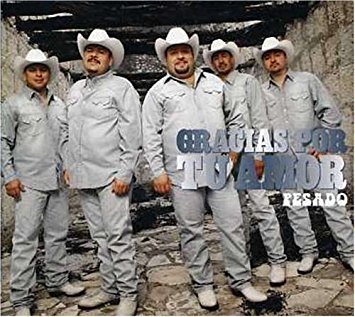 NorteñoBlog is always hungry for some polémica, but in this case we need to award Jason Ankeny with a well-earned [citation needed], because I can’t find any evidence of the controversy to which he alludes. Furthermore, Pesado’s song
  I mention all this because Pesado has a new album, Los Ángeles Existen (Remex). Its
 His latest album is Zapateado Endemoniado, released on his own MF label. It contains only three fewer songs than the latest Migos album, but — since nearly every song clocks in between 2:22 and 3:31 — it’s 45 minutes shorter. True, that’s still an hour-long brass band assault with no standouts as genius as “Stir Fry,” but Flores wisely livens up his tempos and rhythms throughout. And song for song, La Jerez’s beats are even stickier than team Migos’.
  If norteño is more your thing, the fresh-faced septet Soñadores de Sinaloa have just released their I-dunno-sixth? album Lo Improvisado (Mayra/Three Sound).
 — Quinones and the Valenzuelas disagree as to whether this is a good thing. Quinones told me the alterado style is “a corruption of the corrido’s original intent,” which is to celebrate underdogs. But in the Bloomberg article, Adolfo says that’s the point. “’It’s not like before, when they were like, “I’m going to work hard like my parents,”’ Adolfo says. ‘This new generation has learned they can make more money, have luxuries, be bigger or better than their parents. They all love that feeling of power, which had never been felt before in Mexican music. Because before it was love and sadness. It was never about power.'”


 NorteñoBlog