Search

NorteñoBlog

music, charts, opinions

Category

Throwback Thursday

Archivos de 2000

rogelio martinez

Chart geeks know the story of “Macarena”‘s long climb to number one on Billboard‘s Hot 100 — this song was giving people’s cuerpos alegria for a record-breaking 33 weeks (the chafing!) before it hit the top spot, and it had to undergo remix to get there. But things move even slower on the genre charts. Chris Young’s ode to the “Voices” in his head was on the Hot Country Songs chart for almost a year, 51 weeks, before it hit #1 in 2011. And among all the Latin charts, the longest climb to #1 — 43 weeks — took place in 2000-01 on Regional Mexican Songs, with a banda cover of Shania Twain.

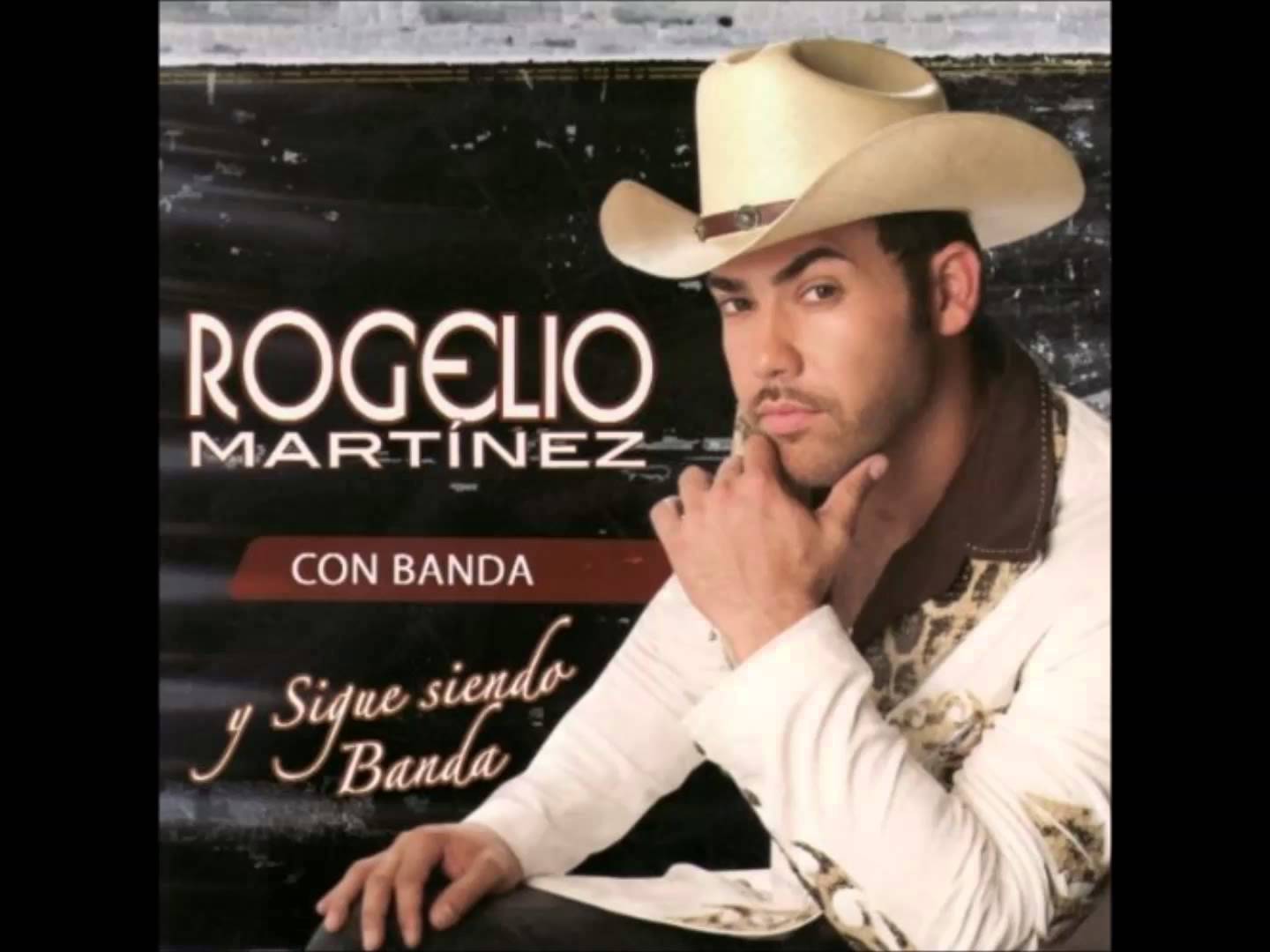
When Chicago’s WOJO changed its format to regional Mexican on September 25, 2000, Rogelio Martínez’s “Y Sigues Siendo Tu” was moving up at #5, but it still had more than three months to go before it’d reach the top. (It peaked at #8 on the overall Hot Latin chart, and I’m pretty sure I remember hearing it on Latin pop radio at the time, rare for banda songs.) Musically it’s really good, though you should always keep in mind that I’m a rockist gringo whose musical wheelhouse revolves around hair metal. There are some momentum-killing horn blares in the verses, but the momentum is still undeniable, and the banda achieves it by simulating a slow backbeat with the horns. The tuba is the kick drum, the soft trumpet stabs are the snare, and though they’re helped out by a subtle drum kit, the horns do most of the rhythmic work. This remains an excellent technique for bandas who want to play power ballads, as when Banda Rancho Viejo plays an Espinoza Paz song. The composite brass rhythm basically comes out sounding like “We Will Rock You.”

Springing from Wednesday’s post, these were Billboard‘s top regional Mexican songs in the issue dated Sept. 23, 2000. Besides Martínez/Twain, the pick to click is probably Límite’s “Por Encima De Todo,” a minor key Tejano cumbia with a good accordion solo and sharp singing from Alicia Villarreal.

1. “En Cada Gota de Mi Sangre” – Conjunto Primavera (#12 Hot Latin)
2. “Yo Se Que Te Acordaras” – Banda El Recodo (#13 Hot Latin)
3. “De Paisano A Paisano” – Los Tigres Del Norte (#15 Hot Latin)
4. “Eras Todo Para Mi” – Los Temerarios (#16 Hot Latin)
5. “Y Sigues Siendo Tu” – Rogelio Martinez (#10 Hot Latin)
6. “Secreto De Amor” – Joan Sebastian (#4 Hot Latin)
7. “Pa’ Que Son Pasiones” – Tiranos Del Norte (#20 Hot Latin)
8. “Por Encima De Todo” – Límite (#22 Hot Latin)
9. “Te Soñé” – El Coyote y Su Banda Tierra Santa (#23 Hot Latin) (These two words they swear to you!)
10. “A Ella” – El Poder Del Norte (#25 Hot Latin)
11. “No Puedo Olvidar Tu Voz” – El Coyote y Su Banda Tierra Santa (#27 Hot Latin)
12. “Sin Ti No Se Vivir” – Los Angeles Azules (#29 Hot Latin)
13. “Tu Y Las Nubes” – Lupillo Rivera (#30 Hot Latin)
14. “El Liston de Tu Pelo” – Los Angeles Azules
15. “Mentirosa” – Los Rieleros Del Norte (#33 Hot Latin)

… and, in at #40 on Hot Latin, it’s “Los Dos Zacatecanos” by Banda Machos.

Diana Reyes – MIS MEJORES DURANGUENSES

dianareyes_albumreview_splash650

At PopMatters, I wrote 1,000 words about this solid career overview that someone else, somewhere, must care about:

Diana Reyes – Mis Mejores Duranguenses (DR Promotions)

In the title of her new career retrospective, Diana Reyes unapologetically invokes the “d” word. The album’s called Mis Mejores Duranguenses, a perfectly accurate title that nonetheless situates Reyes in a previous decade, out of vogue in today’s Mexican music world. But despite its nostalgic aura, that word, that genre—duranguense—is integral to what makes Reyes such a vital singer. Like Donna Summer, forever tied to a different dance music “d” word, Reyes transcends the style that made her transcendence possible.

For the past few years, being a duranguense fan in the norteño world has felt like being a scorpion set loose at a Sierra Club meeting. Everyone runs away when they see you coming, but once they’re safely across the room, they talk about you with condescending pity and acknowledge your Vital Role. Springing from the state of Durango and its satellite city Chicago around 2002-04, duranguense was, for a few years, the hot sound of regional Mexican music. That sound was a pared down take on banda with synth oompahs, ultra-speedy tempos, unhinged tambora (a bass drum with cymbals on top) acting like a lead instrument, and a ridiculous dance step all its own. Dancing el pasito duranguense was like “having gum stuck [on] the bottom of your shoe and trying to get it off,” explained dancer Jaime Barraza to the radio show “The World”.

By decade’s end, the genre itself had become stuck. Thanks to band infighting, legal wrangles, and the winds of popularity shifting from Durango to Sinaloa’s bandas and corridos, duranguense’s popularity dwindled. Maybe not down to the level of used chewing gum—recent videos by genre stalwarts Grupo Montéz and Alacranes Musical still command around a million hits apiece—but pretty far. Far enough that the annual Radio Éxitos compilation, which used to be one third duranguense, now shuns the genre. Even Los Horóscopos de Durango jumped ship; the band has sold its keyboards and bought tubas, and now it plays banda sinaloense.

Born in Baja California, with family from Sinaloa, Diana Reyes began her singing career recording traditional norteño. In 2004 she hopped aboard the Durango bandwagon and released six or seven albums for labels both major and minor, including DBC, the label she founded. To give you an idea how bankable this stuff was, that “or seventh” album was a Christmas record for Universal, Navidad Duranguense. She wasn’t alone. During those gold rush years, at least three other bands released Christmas albums with the same title.

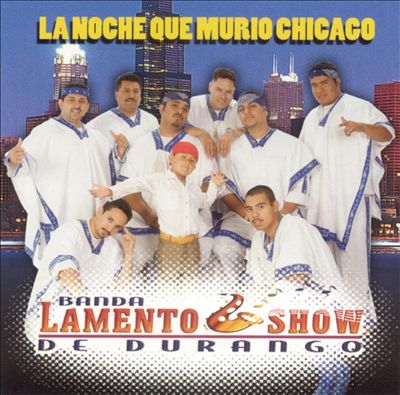
Reyes was a welcome presence in the genre. Her husky voice was a powerhouse, and she could fray it at exactly the right emotional high points. Though you’d sometimes catch her chuckling, she sang with a gravitas that gave counterweight to her skippety-skip music. Look, let’s put our duranguense cards on the table. Lots of people hated this style and called it ridiculous circus music. They had a point. Most duranguense acts sounded like they were vying for Chintziest Synth Sound at the county fair. To overcome that handicap, musicians either had to own the chintz and become the wildest band in town and maybe cover “The Night Chicago Died”, like the sainted clowns in Banda Lamento Show, or they had to use their genre trappings to make perfect pop songs, like Diana Reyes.

At her best, Reyes achieved what Hi-NRG singers like Laura Branigan and Exposé did in their own genres: heartbreaking melodic lines belted over beats of endless momentum. Since Reyes’s beats were mostly polkas, the 20 songs on Mis Mejores might take some getting used to. After a few songs, though, the oompah is so consistent it falls away, and you’re left with the tune and the unpredictable clatter of percussion, clarinet, and bargain basement synth presets (yikes) popping out like the cast of Laugh In. In Reyes’s two biggest hits, 2004’s “Rosas” and 2007’s “Cuando Baja La Marea”, the band is so tight the players could be on autopilot, but their stop-on-a-dime breaks and complicated fills reveal otherwise. The melody to “Marea” takes advantage of the polka’s two-step feel to stretch and contract its phrase lengths like taffy. 2005’s “Mentiras” pulls the same trick. No longer tethered to predictable four-bar phrases, these melodies are free to start earlier than you expect, or extend longer than normal, giving them an emotional weightlessness. “Forget the beat,” Reyes and the melody say, “this is how I feel.”

What she feels is mostly sad, and then angry about the sadness. 2009’s album ¡Vamos a Bailar! opened not with an exhortation to dance, but with the post-breakup pine “¿Dónde Están?” A sub-Winwood keyboard fart reminds you this is a duranguense song. Reyes establishes the breakup in a thick purr, but once she hits the chorus, she and the snare drummer belt you with that string of questions: where are all those letters and flowers and visits and kisses? Our bodies, the ones that used to be close to one another—where are they? Turn your attention from Reyes to the band, and you’ll realize the keyboards and woodwinds are still going, but they no longer sound cheesy. They’re simply adding to the bedlam.

In 2010 Reyes released her best album, Amame Besame, through Capitol Records. Half-duranguense, half-techno cumbia, and all exquisitely produced, it effectively marked the end of duranguense not just for Reyes but for regional Mexican music in general. Apart from duranguense Reyes has been less exciting. Her 2011 roots album Ajustando Cuentas took on traditional banda. Her voice sounded spectacular, but the banda arrangements were too perfect—they were there to showcase her, not to be her sparring partners. Most recently, Reyes released a power ballad telenovela theme, “Yo No Creo En Los Hombres.” (Hey, me neither.) I won’t vouch for the song, whose horns read more “‘80s Chicago” than any horn-based music you’d actually wanna hear wafting from our fair city, but her voice remains a powerhouse. As for this new hits album, you’d think 20 straight duranguenses would be too many. And while some variety would be nice, the beats never quit, the new romantic melodies never flag, and the instrumentalists never stop finding new ways to go apeshit. Plus, Reyes’s voice might make people nostalgic for a time when they could reliably hear women’s voices on regional Mexican radio. Let’s hope so.

Archivos de 1999

angeles-azules-el-liston-de-tu-pelo_1

These were the top Regional Mexican songs of December 18, 1999, as reported by Billboard. Some things to note:

Los Angeles Azules continue to intrigue.

Several of these bands — El Recodo, Primavera, Los Tigres — released music in 2014. All of them sound pretty much the same today as they did 15 years ago.

The attempt to pinpoint when banda pop became today’s banda pop continues. I’m still looking for a swanky swinging midtempo backbeat ballad with doo-wop chord changes played by an entirely brass band. In the meantime, Recodo’s “Te Ofrezco Un Corazón” could’ve been released yesterday, but it’s more what Billboard would call “mainstream banda,” as in this excerpt from the March 3, 2001 issue:

The group’s somewhat avantgarde approach to music can be attributed to Don Cruz, the man who made vocals a staple of the band and who back in 1985 even dared to use a keyboard (not a banda instrument) on one of the group’s live albums.

A typical El Recodo album mixes genres. Y Llegaste Tu, for example, includes merengues and ballads, but the title track is more mainstream banda (in contrast to “Deja,” which is a ballad, says Moreno).

“We’re a typical banda sinaloense [a band from Sinaloa, Mexico, featuring brass instruments and percussion] that’s evolved,” says Alfonso. “We’ve tried to put on a more modern show and at the same time preserve a sound older followers can identify with. We want to offer a first-rate show that’s very Mexican.”

1. “Te Ofrezco Un Corazón”Banda El Recodo
2. “Te Quiero Mucho” – Los Rieleros Del Norte
3. “El Liston De Tu Pelo” – Los Angeles Azules
4. “No Le Ruegues” – Conjunto Primavera
5. “Con Quien Estarás” – Banda Arkangel R-15
6. “Mi Gusto Es” – Ezequiel Peña
7. “Sonador Eterno” – Intocable
8. “Dos Gotas De Agua” – Banda Maguey
9. “Perdoname” – Pepe Aguilar
10. “Paraiso Terrenal” – Priscila Y Sus Balas De Plata
11. “No Compro Amores” – Banda Machos
12. “Alma Rebelde” – Limite
13. “Eternamente” – Vicente Fernández
14. “Con La Soga Al Cuello” – Los Tigres Del Norte
15. “Basura” – Los Mismos

Archivos de 1998

banda maguey

These were the top Regional Mexican songs of July 25, 1998, as reported by Billboard. Some things to note:

If I ever again start talking about banda and norteño groups using pop chord changes like it’s a recent thing, please shoot me. Maybe just in the leg. I’ll take the hint.

On the other hand (he whispers, writhing in pain), something happened between 1998 and now. Listen to the songs by Graciela Beltrán (#5) and Banda Maguey (#3). Beltrán is straight up pop with mariachi horns; the predominant sounds are guitars strumming and playing dry little MOR licks. (The song’s parent album was arranged by Joan Sebastian (#12), who Allmusic thinks is a woman, but I’ll cut ’em slack because STE’s a better critic than I am.) Banda Maguey’s song has something like a banda horn arrangement chugging alongside synths and a rhythm section. These are first and foremost pop songs, the way we think of pop songs in the U.S.; the ensembles get some of their POP by incorporating elements of traditional Mexican styles.

Today’s banda pop flips the equation: the ensembles are first and foremost acoustic, Cornelio Reyna-style big bands, only instead of playing the traditional ranchera repertoire they play pop songs by new songwriters, using up-to-date lyrical imagery. The commutative property of banda pop tells us we still get banda pop, but the results sound, improbably, more immediate and less dated. Whoever’s responsible for the past decade or so of banda hipness — maybe thank Alfonso Lizárraga, the arranger for Banda El Recodo? (further research) — realized something important. Banda arrangements can contain as many hooks, can deliver pop songs as sparkly and indelible, as rock bands, synths, or turntables and microphones. The Sinaloan brass band is a terrific vehicle for delivering pop tunes, and maybe because it’s so well established, it paradoxically doesn’t sound like it belongs back in some different era. Kind of like a blues-rock quartet.

1. “Desde Que Te Amo” – Los Tucanes De Tijuana
2. “Tu Oportunidad” – Grupo Limite
3. “Quiero Volver” – Banda Maguey
4. “Botella Envenenada” – Los Temerarios
5. “Robame Un Beso” – Graciela Beltrán

6. “Yo Nací Para Amarte” – Alejandro Fernández
This swarthy ballad was #1 on the Hot Latin chart this week, and was therefore written about here by Jonathan Bogart.

7. “Por Mujeres Como Tu” – Pepe Aguilar
8. “Amor Maldito” – Intocable
9. “Eres Mi Droga” – Intocable

10. “Me Haces Falta Tu” – Los Angeles Azules
El Patrón 95.5 still plays this song on a semi-regular basis. I think I’ve heard the antiphony between accordion and trombones, deliberate to the point of creepiness, as part of cumbia mixes or even as interstitial music, coming out of breaks. Once you hear it you don’t forget it.

11. “Sentimientos” – Grupo Limite
12. “Gracias” – Joan Sebastian
13. “A Mi Que Me Quedo” – Los Invasores De Nuevo León
14. “Te Seguire” – Los Palominos

15. “Me Voy A Quitar De En Medio” – Vicente Fernández
Traditional mariachi from a master — listen to the way he slides into the ends of his phrases. The video’s simplicity is startling. Fernández rides his horse to the misión and sits there singing his song while a woman opens the doors. Then he stops singing and rides away, and she closes the doors.

Banda Lamento Show: Chicago Vive Otra Vez

banda lamento show

The invaluable if annoyingly pop-uppy radioNOTAS alerts me to the existence of a new song, “El Señor,” by Banda Lamento Show de Durango. (I also see they’re playing Waukegan late this Saturday night, roughly a mile south of the church where I play early Sunday morning — i.e., I can’t see them. Have a good time and tell ’em I say hi.) Lamento Show, you’ll remember, were the wildest of duranguense bands and also the happiest, wearing ironic hipster ponchos and hauling around a little boy on a burro for their mascot. Unlike some of the buttoned down heartachers in this genre, listening to Lamento Show felt like getting away with something. True story: when I called their label nine years ago looking for press photos, the PR person I spoke with had no idea who they were.

When you get a chance, listen to their 2005 Platino album La Noche Que Murio Chicago, named after the Paper Lace song covered therein. This album is our generation’s Disco Tex and His Sex-O-Lettes: canned crowd noises, nonstop dance songs running one into the other, and a feeling that, despite the songs’ apparent simplicity on paper, the players can do whatever they want and anything could happen. By comparison, “El Señor” is reined in, but whoever’s singing enjoys his swanky vibrato enough to give it a big
VALE LA PENA

Album Review: AMAME, BESAME by Diana Reyes

amame besame

Since Diana Reyes is repackaging and re-releasing her music, I’ll do the same with my writing. Here’s an unpublished review of her really good 2010 album:

Diana Reyes
Ámame, Bésame
(EMI Latin 2010)

Diana Reyes has been making good albums for years, but Ámame, Bésame (“Love Me, Kiss Me”) is an explosion of color and energy like nothing else in her catalogue. It’s also a breakthrough for duranguense, the Chicago-based techno-polka style that five years ago threatened to take over regional Mexican radio. Back then, Reyes pulled one of the most effective genre switcheroos in Latin pop history, when she left her native norteño music for duranguense. Reyes was so confident about this career move, she titled her first album in the new genre La Reina del Pasito Duranguense (“The Queen of the Duranguense Dance Step”). Just to make certain nobody argued, she sang the hell out of her songs and grew her fingernails to a frightening length.

Duranguense’s impact has since cooled, thanks to scene infighting and the fickle winds of public taste. Maybe that’s why Ámame, Bésame alternates its polkas with more pop-wise techno cumbias, in the tradition of A.B. Quintanilla’s Kumbia All-Starz. Reyes even covers a couple songs by Quintanilla’s late sister, Selena, and works with his production associate, Luigi Giraldo. Giraldo has assembled a crack band for his songs, and his arrangements really sparkle. When you hear how the accordion switches from outlining the melody to playing riffs, or how the strategically placed laser FX chirp away in the background, you can tell how much care he’s lavished on this music.

Of course, such sonic tchotchkes are par for the course with most pop music. Reyes’s stunning achievement is that she now gets that same bold, detailed sound with her duranguense producers. If Reyes’s previous four duranguense albums were good, they also sounded a little thinner, as though they were made on a much lower budget. Indeed, that’s been the case with lots of duranguense music. For this album Reyes’s Chicago producers, the Orwellian-sounding “The Team, Inc.”, have really amped up the energy. The polkas are faster and louder. Where Reyes’s backing band once sounded anonymous, they now clatter away on tambora and provide wild electronic tuba fills. With their madcap woodwind lines and beat changes, these polkas resemble Carl Stalling’s orchestra performing Europop songs during Oktoberfest. Which isn’t to say it’s ALL louder — the background keyboards that once popped garishly out of the mix have been replaced by softer, subtler synths. What it all adds up to is increased professionalism and, I assume, a higher recording budget courtesy EMI, Reyes’s new label.

Here’s what hasn’t changed: Reyes still sings the hell out of her songs. Whether she’s singing songs written specifically for her, or covering Selena or Lupita d’Alessio (a balladeer and telenovela actress), Reyes delivers each tune with enough full-throated conviction to completely command her arrangements. Her clear tone and phrasing keep her free from syrupy melodrama, but her voice is laced with a magical huskiness that hints at some hidden pain or experience. You sense she knows more than she’s willing to reveal in the song. In the sinister “Ten Mucho Cuidado” (“Be Very Careful”), which sounds like sped-up Ace of Base + accordion, Reyes switches from quick, matter-of-fact tongue twisting to a soaring world weariness. Her song-picking ability is uncannily good, but this woman would sound great even if someone made her sing an album of Ariel Pink covers.

Thankfully it hasn’t come to that. This is the best-sounding duranguense — or, I guess, semi-duranguense — album I’ve heard. It’s bursting with catchy pop songs and full arrangements that allow them to flourish. Ámame, Bésame ends with a polka version of the title track, replete with a whistle doubling the melody, haphazard organ fills, electronic squelches, and what sounds like EVERY OTHER MUSICAL INSTRUMENT that The Team, Inc. could dig out of their Memory Hole. It’s as though they realized that, after revolutionizing the sound of the duranguense genre, they should send us out with as big a bang as possible. Explosion accomplished.

Blog at WordPress.com.

Up ↑