Search

NorteñoBlog

music, charts, opinions

¡Nuevo! (starring Grupo El Reto, Julio Preciado, y más)

violinist

grupo el retoNorteñoBlog would like to apologize for sleeping on Grupo El Reto‘s March album A La Vieja Escuela (Gerencia 360); although in my defense, if El Reto is so Old School, their music should be timeless, right? More correctly, this quartet belongs to la Corriente Escuela of corridistas who sing about corruption while their corrosive tubists imitate machine gun fire. Corre! — to their Pick to Click single, that is, a duet with the quartet Alta Consigna. Alta Consigna, you see, also has a tuba player in the band, which means “La Parranda Va Empezar” features two tubists doing crazy things. (Consigna also has a hot bajo sexto player imitating a requinto. I think that’s what that is.)

julio preciadoAlso Vieja Escuela y VALE LA PENA is the new album from Julio Preciado y Su Banda Perla Del Pacifico, Ni Para Bien Ni Para Mal (Luz). Preciado’s a veteran of two Sinaloan bandas, La Original Banda El Limón and Banda El Recodo; he struck out on his own, I wanna say at the turn of the millennium. This new album is fairly trad, perpetually high-NRG banda with its horn sections not entirely in tune, but I think that’s intentional. (It sounds cool and adds to the energy.) I will now quote at length from Preciado’s Wikipedia page:

On February 2, 2009 he was assigned to sing the Mexican National Anthem in Mexicali, Baja California, Mexico, as a part of the Opening Ceremony of the Caribbean Baseball Series (Serie del Caribe). He made several mistakes in the anthem lyrics and musical pace, being majorly booed by the audience.

You know, these things happen to the best of us, and NorteñoBlog forgives Preciado just as we did Christina Aguilera and Roseanne Barr, because WHO CARES. Surely there were extenuating circumstances?

Some factors came into play during the failure to sing the national anthem properly since the background music did not play, so he decided to improvise by singing a capella. He decided to extend the improvisation. The audience’s reaction caused the local sound to be shut off to protect Preciado from more serious actions by an angered public, so he could stop singing. In fact some people in the stadium assure that the singer was drunk.

I want more extended improvisations on national anthems! I know what you’re wondering: is this brouhaha on Youtube, complete with angry fans yelling and poor Preciado shrugging sheepishly at the end? You bet it is!

Julio apologized to the audience and in a written statement hoping he will get a second chance to sing the national anthem in the future.

So the guy apologized — in writing — and that’s gotta be the end of the story. No?

Before the Carnival of Mazatlan Preciado was a serious candidate to be burned as a “burn of bad humor” (La quema del mal humor), an event that burns the people or event that represents the worst thing for the people, But since he was a diputade with license and using his influence and money in the town of Mazatlan he was saved of that “un-honor” despite he won the votes of the people of Mazatlan to be burned.

Your diputade knows what you need, but I know what you want. Glad you weren’t burned, Julio! End of story? Por favor?

Since he was not burned in that event the people of Mazatlan towards his anger with his daughter Yuliana Preciado, during the parade where she was elected as a “Infant Queen” in the middle of corruption and scandal, the people started to sing the Mexican National Anthem loudly to her in protest.

This will never end, will it? The sins of the padre will be visited upon generations yet unborn, until every new Preciado knows that anthem by heart. Listen to the new album, it’s really good.

banda costadoFrom the southern state of Oaxaca comes Banda Costado and their violin-driven single “Pinotepa” (Talento). This is a way different sound than we usually enjoy here: lots of percussion, tuba bassline, wild violin, and singers. Many independent lines and very little chordal harmony, in other words. Exciting stuff. VALE LA PENA.

ultimos momentosTraviezoz de La Zierra has teamed up with the late Ariel Camacho’s guitarist and tubist, aka Los Plebes Del Rancho, to record a tribute to Ariel, called “Mis Ultimos Momentos” (Del). Given the subject, it’s appropriately slow and deliberative, but Camacho’s own slow and deliberative songs tended to have compelling melodies. NO VALE LA PENA.

Desfile de Éxitos 5/16/15

leandro-rios-2

The charts, and thus NorteñoBlog’s life, are in tumult this week. This is a good thing! Though of course, just looking at the top 10, you might be fooled into thinking the chart remains a tepid pool of stagnancy and age. King Romeo’s blockbuster hit is closing in on two years of proposing indecencies to its poor neighbors, one of whom happens to be King Romeo’s NEW blockbuster hit. (“Propuesta Indecente” has always been at war with “Hilito”?) And yes, the Julión Álvarez ballad going top 10 on Billboard‘s Hot Latin chart is some weak sofrito — but, on the other hand, it’s Julión Álvarez. NorteñoBlog likes him. Just a week ago, he dropped the official video for “El Amor De Su Vida,” and already it’s got three and a half million views. I won’t begrudge him his success with necking music, and I encourage him to release “El Aferrado” as a single cuanto antes.

Further down the list, things get more interesting. Ariel Camacho’s “Te Metiste” is up to #14 overall and #12 on Regional Mexican airplay; not bad for a posthumous ballad played by a sparse, deliberative trio configuration used by nobody else on the radio. El Komander’s “Malditas Ganas” continues to climb, and two songs that are new to the overall list — Enigma Norteño’s racing quartet tune “Calla Y Me Besas” and La Séptima Banda’s swanky, Tower of Power-ish “Bonito Y Bello” — bring as much energy as the songs they replace. Down on the Regional Mexican airplay chart, Recodo’s “Mi Vicio Más Grande” is their skippiest hit in who knows how long.

The Pick to Click is another one that’s new to the airplay chart: “Debajo Del Sombrero” by Leandro Rios ft. Pancho Uresti, whose new career seems to be guesting on everyone else’s songs. It’s two guys talking big to the father of their beloved, trying to convince him their humble ranchera ways render them worthy of his daughter’s affection. It also takes as much pleasure in the act of rhyming as any random song by Sondheim. Although, going through my Spanish rudiments, I’m disappointed the song doesn’t take place in enero, and why doesn’t our heroic caballero own a perro?

These are the top 25 Hot Latin Songs and top 20 Regional Mexican Songs, courtesy Billboard, as published May 16.

1. “El Perdón” – Nicky Jam & Enrique Iglesias
2. “Ay Vamos” – J Balvin
3. “Propuesta Indecente” – Romeo Santos (93 WEEKS OLD)
4. “Hilito” – Romeo Santos
5. “Hablame de Ti” – Banda MS (#2 RegMex) (snoooooozzzzzz)
6. “Contigo” – Calibre 50 (#1 RegMex)
7. “Travesuras” – Nicky Jam
8. “Fanatica Sensual” – Plan B
9. “Mi Verdad” – Maná ft. Shakira
10. “El Amor De Su Vida” – Julión Álvarez y Su Norteño Banda (#3 RegMex)

11. “Nota de Amor” – Wisin + Carlos Vives ft. Daddy Yankee
12. “Sigueme y Te Sigo” – Daddy Yankee
13. “Me Sobrabas Tu” – Banda Los Recoditos (#6 RegMex)
14. “Te Metiste” – Ariel Camacho y Los Plebes del Rancho (#12 RegMex)
15. “Pierdo la Cabeza” – Zion & Lennox
16. “Solita” – Prince Royce
17. “Malditas Ganas” – El Komander (#7 RegMex)
18. “Lejos De Aqui” – Farruko
19. “El Que Se Enamora Pierde” – Banda Carnaval (#5 RegMex)
20. “Dime” – Julión Álvarez y Su Norteño Banda (#14 RegMex)

21. “Un Zombie A La Intemperie” – Alejandro Sanz
22. “Calla y Me Besas” – Enigma Norteña (#4 RegMex)
23. “Inocente” – Romeo Santos
24. “Perdido En Tus Ojos” – Don Omar ft. Natti Natasha
25. “Bonito Y Bello” – La Septima Banda (#10 RegMex)

¡Adios!
“Juntos (Together)” – Juanes
—————–

8. “Levantando Polvadera” – Voz De Mando
9. “Soltero Disponible” – Regulo Caro

11. “Que Aun Te Amo” – Pesado
13. “Si Te Vuelvo a Ver” – La Maquinaria Norteña
14. “Como Tu No Hay Dos” – Los Huracanes del Norte
15. “Cuando La Miro” – Luis Coronel
16. “Mayor De Edad” – La Original Banda El Limón
17. “Que Tal Si Eres Tu” – Los Tigres Del Norte
18. “Mi Vicio Más Grande” – Banda El Recodo
19. “Debajo Del Sombrero” – Leandro Rios ft. Pancho Uresti
20. “El Quesito” – Omar Ruiz”

¡Adios!
“Todo Tuyo” – Banda El Recodo
“Se Me Sigue Notando” – Chuy Lizarraga y Su Banda Tierra Sinaloense
“Eres Tú” – Proyecto X
“Lo Hiciste Otra Vez” – La Arrolladora Banda El Limón
“Qué Tiene De Malo” – Calibre 50 ft. El Komander

Los Tigres on the Jukebox

los tigres idolos

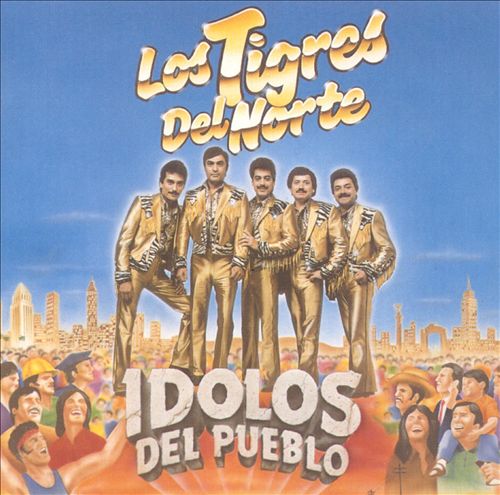
And not a moment too soon! The Singles Jukebox finally wrote about Los Tigres and their extended (and SAXY) pickup line “Qué Tal Si Eres Tú.” It’s an unorthodox introduction to their storied career, but in my opinion it’s as good as any:

…aka, the one where Hernán Hernández sings triplets, the one where Óscar Lara plays two different drum patterns, and the one with ALL THOSE MINOR CHORDS. I know I’m missing stuff, but after they’ve spent 40-odd years sifting through subtle shades of dry bounce, “Qué Tal” resembles a great Saguaro-like flowering of Los Tigres’ sound.

Fellow Jukeboxer Tara Hillegeist wrote well about the subtleties of bajo sexto playing and prompted me to listen again.

VALE LA PENA

¡Nuevo! (starring Noel Torres, Omar Sánchez Omi, y más)

bobby pulido

Well this is the stuff of myth and legend:

Desde el filo de la sierra
Viene la historia que traigo:
Que por esas tierras
Suelta anda una fiera
Entre aquellos pinos altos…

From the edge of the sierra
Comes the story that I bring:
Through those lands
Freely walks a beast
Among those tall pines …

Plenty of corridos begin in a similar manner, of course, establishing their (anti)heroes as larger than life figures. But Noel Torres’s new single on Gerencia 360, “No Andan Cazando Venados” (“Don’t Go Hunting Deer”), opens with knowing mastery of the form. Torres begins by placing himself into the story as storyteller, thus joining the long historical line of corridistas, stretching back not just to Ramon Ayala but to Homer recounting the tales of brave Ulysses. (“Tell me, O Muse…”) Then things get scary. I admit I shuddered when I got to the part about the beast roaming through the tall pines — it’s such a contrast with the folksy opening, and “fiera” arrives at the end of its line with a jolt. Torres reclaims the word’s savagery. (I swear, if I hear one more TV chef tell me he’s “a beast in the kitchen”…) Now I just need to figure out the rest of the song. Something to do with the DEA and big-ass guns. The translation service is limited help in this case.

The song was written by El Diez and Danilo Avilés. El Diez is the shadowy figure who wrote the equally mythic “El Karma,” recorded most iconically by the late Ariel Camacho, but also by Torres and lots of other people. Avilés wrote the second song on Camacho’s El Karma album, and Torres’s arrangement of “Venados” sounds like he’s adapting Camacho’s unusual instrumentation. He takes stripped down passages of requinto guitar solos over lurching tuba, the same dynamic you find in Camacho’s repertoire, and alternates them with full banda sections. Horns replace rhythm guitar. The result is both serious and silly (ay, esos clarinetes), a fitting tribute that also fits with Torres’s swagger. Pick to Click, obviously.

ramon ayalaShould you develop a hankering to delve into corrido history, the Freddie label has released a new Ramon Ayala comp entitled Corridos Famosos. Ayala’s muse speaks to him the tales of brave Gerardo Gonzales, Juanita y Miguel, y otros. No idea how this compares with other Ayala compilations out there.

If we’re already talking (probably) unnecessary cheapo Ramon Ayala reissues, you may have guessed it’s a light week for albums. You’re right! The singles, though, they never stop. Fonovisa has recently sent to radio new work from some of its heaviest hitters. Los Tigres are back with their third Realidades single, the midtempo waltz “Hoy Le Hablo El Diario,” which does the thing where the rhythm section rushes the second beat of every bar so the waltz feels slightly nauseating. In a good way. If you like beards and flannel and don’t wanna move to Seattle, Codigo FN has a slow one out called “Pinche Vieja Interesada,” which is less interesante than its title. Better are the new Proyecto X corrido “5 Letras,” reeling off verse after verse like a gold-plated machine gun eating up magazines, and Remmy Valenzuela’s very stripped-down chiquitita ballad “Menti,” in which his accordion seems capable of breath and thought.

Bobby PulidoBut who needs major label distribution when the internet frontier beckons musicians to simply release their own music? Tejano singer Bobby Pulido has been on the scene since the mid-’90s, and his new “Si No Te Hubiera Conocido” is a likable walking tempo number that could’ve come from Intocable — but does Intocable have its own line of Western wear (see top of page)? I submit that Intocable does NOT.

los grandesThe equally breezy Los Grandes de Tijuana DRANK YOUR LOVE! Just drank it right up. Los Grandes are also ’90s music lifers, and “Me Bebi Tu Amor” has the lazy front-porch-with-squeezebox vibe of Bob Dylan’s Tejano album Together Through Life, still my favorite of his post-’70s catalog.

omar sanchezNorteñoBlog swooned when Gerardo Ortiz mixed up the banda with the bachata in “Eres Una Niña,” and now I hear Omar Sánchez Omi trying something similar on “Tu y Yo.” Rhythmically it doesn’t vary too much from Recodo’s romantic moods, but Sánchez’s voice is husky and swarthy like King Romeo’s and could have some of the same R&B appeal, if enough people hear him. Sánchez used to sing for Chicago’s Alacranes Musical, one of my favorite duranguense bands, and there exists a photo of him dressed up like Santa Claus and standing next to Diana Reyes, so I’m pulling for him.

Luis Coronel on The Singles Jukebox

Luis-Coronel1

If you felt an inexplicable throbbing in your heart earlier today, it wouldn’t hurt to get that checked out, but it could have just been the psychic palpitations that inevitably result when young Luis Coronel appears in the media, since we wrote about his single “Cuando La Miro” at the Singles Jukebox. Of course, if your heart is that affected by Luis Coronel, it wouldn’t hurt to get that checked out either. Sez me. I should probably go easy on the guy for a while:

I won’t sugarcoat it: this won’t be the last you hear from Luis Coronel. Triunfo magazine reports the bilingual Tucson teen plans to eventually “make the crossover and record in English.” His videos feature English-speaking restaurateurs, ’50s diners, and muscle cars, meaning he’s already singing to a bilingual U.S. audience; whether his crossover turns out to be Prince Royce-style assimilation, or the thing that finally drags banda/norteño music into Top 40’s embrace, is anybody’s guess. But no matter what Coronel sings, he needs to do something about his voice. Or lack thereof. Forswearing both the nasal whine and the overwrought (i.e., perfectly wrought) romanticism of his forebears, Coronel sings everything as though he’s reading the phone book. He can barely hang on to his songs. His hapless vocal cords tossed about by his (generally really good) arrangements, he makes even the simplest lines sound hard to scan. “Cuando La Miro” strands Coronel in his midrange; except for that shouted “Chiquitita!” he’s confined to six notes, none of which he projects over the brass. Maybe that’s why people love him? Like his unaffected peers Kevin Ortiz and Jonatan Sanchez, Coronel transforms music that’s often violent and racy into the endearing genre next door. He may someday portray the Pat Boone character in Elijah Wald’s How Calibre 50 Destroyed Narcocorrido.

Most other reviewers liked the song more: common themes included the goodness of the banda players and Coronel’s propensity to hide his vocals behind them. “Cuando” is currently #10 on Billboard‘s regional Mexican chart.

Who’s On the Mexican Radio? 5/3/15

claudio

Last week NorteñoBlog recommended “Cerveza” by the cruel drunks in Banda Cuisillos. It turns out “Cerveza” has garnered one of the 20 biggest radio audiences in México but, due to some chart formulas I don’t quite understand at the website monitorLATINO, hasn’t yet hit the radio top 20, which measures total spins rather than estimated audience. (This could just mean it’s more popular in urban radio markets, where more people will hear its fewer spins…???)

ANYWAY, my point here is not to reveal how little I know about Mexican radio stats, but rather to direct you to two more such songs. The first is “Te Extraño Poquito” by Claudio Alcaraz y Su Banda Once Varas. It’s got breathless banda bombast and Alcaraz moving through increasingly desperate stages of post-breakup grief until, in the video, he goes Lloyd Dobbler on his ex and shows up outside her window with the entire banda. Neither ex nor neighbors call the police; rather, ex turns out the light, so everyone just gives up and goes home. Continuará…

Popular but less-spun song two is the charming “Amanece Y No Estas” by Diego Verdaguer, who splits the difference between mariachi and Jason Mraz-style hippy dippiness. No ukelele though, promise.

But today’s Pick to Click is yet another top 20 single from NorteñoBlog’s album of the year so far, Marco A. Flores’s Soy El Bueno. “Dudo” is more of Flores’s trademark Sinaloan banda played at Zacatecas speed. He uses pop chord changes but avoids sentimentality, mostly because he’s got a voice like a tornado siren playing a wax paper comb. The song lasts all of 2:48. I swear this record’s like the Ramones or someone.

Other newbies include ballads by Saul “El Jaguar” and Luz Maria, and something by Los Titanes de Durango featuring 14-year-old Jaziel Avilez. Being a sucker for such novelty and having once enjoyed Los Titanes, who despite their name play plain old norteño and not duranguense, I so wanted to like this song, but “Padre Ejemplar” goes on way too long. 40 seconds longer than “Dudo,” to be exact. Talk about self indulgence!

These are the Top 20 “Popular” songs in Mexico, as measured by monitorLATINO. Don’t confuse “Popular” with the “General” list, which contains many of the same songs but also “Uptown Funk!”, “Sugar,” “Love Me Like You Do,” and an Alejandro Sanz ballad about scratchy-voiced zombies.

1. “Después de Ti ¿Quién?” – La Adictiva Banda San Jose
2. “Contigo” – Calibre 50
3. “El Amor de Su Vida” – Julión Álvarez
4. “Confesion” – La Arrolladora Banda El Limón
5. “A Lo Mejor” – Banda MS
6. “Perdi La Pose” – Espinoza Paz
7. “Me Toco Perder” – Banda Los Recoditos
8. “No Fue Necesario” – El Bebeto
9. “Tranquilito” – El Chapo de Sinaloa
10. “Indeleble” – Banda Los Sebastianes

11. “Dudo” – Marco A. Flores y No.1 Banda Jerez
12. “Que te Quede Claro” – Saul El Jaguar
13. “Si Tuviera Que Decirlo” – Pedro Fernandez
14. “Padre Ejemplar” – Los Titanes de Durango ft. Jaziel Avilez
15. “La Reina” – La Iniciativa
16. “Ponte Las Pilas” – America Sierra
17. “Y Esa Soy Yo” – Luz Maria
18. “Que Tal Si Eres Tu” – Los Tigres Del Norte
19. “Un Ranchero En La Ciudad” – Leandro Rios ft. Pancho Uresti
20. “Escuchame” – Fidel Rueda

¡Adios!
“Adicto a la Tristeza” – Banda La Trakalosa ft. Pancho Uresti
“Que Aún Te Amo” – Pesado
“Me Importas” – Los Primos MX
“Malditas Ganas” – Alfredo Rios El Komander
“Todo Tuyo” – Banda El Recodo

El Hyphy (aka The Rise and Fall of Hyphy Norteño) in Maura Magazine

narquillos cover

My hyphy thinkpiece has arrived! It’s all about California’s unique genre of corrido music known as “hyphy” — yes, named after the rap style — which flourished briefly last decade. The article excerpts two new interviews, one with Hyphy label owner Jose Martinez and one with producer and engineer Juan Ramirez. If I may say so myself, it’s a fun read.

You can read it in Maura magazine, either by subscribing or paying some nominal dinero for the single issue. Out of respect for the magazine and its paywall I won’t reprint anything here, but I don’t think they’d mind if I reprint my abstract for the conference where this article originated:

Pronounced “Jai-Fi”: California Norteño, the Word “Hyphy,” and the Story of a Movement

Recount the fall of 2008, when everyone in the club was getting hyphy — everyone in California’s norteño scene, at least. A year after the watershed rap compilation Hyphy Hitz, the Modesto band Los Amos de Nuevo León scored a minor radio hit with “El Hyphy,” a galloping two-minute accordion orgy of “locos brincando.” A movement was born, sort of. Los Amos’ producer Juan Ramirez corralled like-minded bands into El Movimiento Hyphy; CDs and videos rushed to market. As hyphy rap faded from the nation’s radar, these norteño bands claimed the word as their own, suggesting fast tempos, California pride, subterranean video budgets, and various decadent and/or inexplicable behaviors. The cover of Narquillos del Hyphy’s album El Burro Hyphy depicts the movement in all its glory: six men in matching black and white outfits stand with a gleaming motorcycle, scowling at the severed head of a donkey wearing a diamond studded grill.

Hyphy Movimiento burned out quickly, but the word “hyphy” lives on. Los Amos’ current label is Hyphy Music Inc., which “has nothing to do with Hyphy Movimiento,” label founder and namer Jose Martinez told me — “‘Hyphy’ to me means absolutely nothing.” But it still connotes plenty: California, kush, and, in Martinez’s view, a mellower strain of narcocorrido. Unlike bands in the more popular Movimiento Alterado, Hyphy’s bands don’t sing the gory details of cartel massacres, except when they do. Through interviews and music I’ll explore the shifting story of the word “hyphy” in U.S. norteño music, and through that story some larger issues of branding, cultural appropriation, and the new wave of corrido fans. (Hyphy sells 90% of its music within the U.S.) I won’t dwell too much on cartel violence, promise — but Martinez, a conscientious former youth counselor, did bring it up.

¡Nuevo! (starring Banda Cuisillos, Jovanko Ibarra, y más)

ibarra

nino-albertelli-amor-y-saxo-vinilo-argentino-6294-MLA79618094_3701-OIn the movements known as Puro Zacatecas Sax and Puro Chihuahua Sax, one of the biggest wasted opportunities is the lack of terrible “sax” puns in album titles. Research reveals the Argentinian Nino Albertelli once released an album called Amor y Saxo, but that’s Argentina’s problem. Where is the Saxo Tántrico, the Saxo En La Playa, the Paga Para El Saxo of northern Mexico? Smooth jazz would’ve had this all locked down by now.

fieraFortunately the Mexican bands in question play with more lively energy than they use when bestowing titles, and this week sees new releases from two of ’em. In this corner, La Fiera de Ojinaga (“The Beast of Ojinaga”!) represents Chihuahua with the album Como Una Fiera (Azteca); the first spritely single goes by the same title, and from what I’ve heard, the rest of the album promises much much more. Possible alternate title: Saxy Fiera.

retonosIn the opposite corner, representing Zacatecas with one half-ton of bounciness, is the sextet (saxtet?) Los Retoños del Rio, whose “Por Qué la Engañe” NorteñoBlog has already recommended. It’s totes Intocablish, and frankly better than Intocable’s last couple singles. Their new album is De Buena Escuela (Goma) (alternate title: Saxo Con Mi Profesora), and NorteñoBlog has slacked by not listening to any of its other songs yet, but these bands are nothing if not consistent.

primaveraThe kings of this genre, Conjunto Primavera, have a new compilation out this week, because it is the position of the benevolent Fonovisa corporation that no band can ever be compiled enough. La Historia de los Éxitos (alternate title: El Mejor Saxo Nunca) is part of a series that also includes best-of’s by grupos Bryndis, Yndio, Liberacion, y Los Rehenes y Los Traileros. Get it quick before another one comes out next month!

Moving along to banda, the jokesters in Banda Cuisillos have a fine new-ish single called “Cerveza”, which features several of NorteñoBlog’s favorite elements: two different singers trying to outdo one another in the passion department, brass alternating with guitar, and deplorable sexism. Please accept it as this week’s Pick to Click with my apologies, but also with the understanding that, using the late Ellen Willis’s formula, “Cerveza” still isn’t as deplorably sexist as Cat Stevens’s “Wild World.”

jovankoBanda singer and former La Voz Mexico contestant Jovanko Ibarra is an extremely handsome man who should wear a helmet when he rides his motorcycle in the video for “No Le Hagamos al Cuento.” Look at it this way: when the Smithsonian moves the Hope Diamond, do you think they just toss it like a football to whichever flunky happens to be standing around? No. The Hope Diamond requires layers of padding and precautions and moving techniques that have been honed over decades, to ensure that the Hope Diamond makes it through the moving process unscathed. My point is, Jovanko Ibarra is prettier than the Hope Diamond. His new album No Le Hagamos al Cuento (Prodisc) has his picture on the cover.

agostiniSince we’re speaking of pretty dudes, I’ll turn your attention to Daniel Agostini and his 2003 album Sentimientos Vol. 1 (Magenta), whose album cover depicts him as an angel. Whether the songs bear this out I can’t say, but a cursory listen reveals some charming and very twee electrocumbia. I bring it up because it’s new to streaming services, and also because THE ALBUM COVER DEPICTS HIM AS AN ANGEL.

chavezBanda singer Sandra Chavez “La Comadre” is planning something. Most likely it’s an album or EP release, but the rollout by her label Music Eyes is proceeding in a slow and seemingly haphazard fashion. Earlier today three “singles” hit Youtube, and you can count yourself among the first human people to listen to them. “Sinceramente” is just that; “Me Das Asco” is stately; “Mejor Sin Ti” is heartbroken. None packs the punch of last year’s “Mucha Mujer” and its biker chic video where, I’d just like to point out to my new friend Jovanko, Sandra had the good sense to wear a face-obscuring helmet while riding her bike. Of course, using the late Roger Ebert’s formula, you’d expect that from her.

Finally, three recent albums of corridos:

Los Canelos de Durango sing about El Señor de la Montaña (Pegasus);

Luis Salomon sings about cartel figure Tito Beltran in “Por Encargo de los Viejos (Tito Beltran)” (ICON);

and Los Meros Meros Alteños sing Corridos y Canciones (Hyphy).

Things I Learned Listening to Javier Rosas This Weekend

otro golpe newBack in March NorteñoBlog was temporarily confused when the benevolent Fonovisa corporation re-released an old album by Javier Rosas y Su Artillería Pesada as though it was a new album.

otro golpe oldOtro Golpe originally came out in 2013 on whichever tiny label was releasing Javier Rosas albums at the time. Presumably nobody heard Otro Golpe that way, so Fonovisa gave it a new cover and distributed it to the masses to capitalize on Rosas’s minor radio hit, “Y Vete Olvidando.”

lleuge“Olvidando” came out late in 2014 as the second song on Llegué Para Quedarme, Rosas’s official Fonovisa debut. Three weeks after Otro Golpe dropped for the second time, Rosas got shot in an even more confusing scenario near a Culiacán mall. Since then he’s understandably dropped from sight, the better to hasten his recovery.

What’s not confusing is how good Rosas and his band are. I mean, the band’s named “Heavy Artillery”! (Also the best Mr. Lif song, imo.) They’re not as heavy as Noel Torres’s band — the drummer skitters more than pounds — but their dense interplay is similarly hard to fathom. And that density is the musical point. This took me a while to understand. Because Rosas’s songs have melodies and chords, you might expect those melodies and chords to be the point, the songs’ reason for being. As a songwriter Rosas has a welcome fondness for minor chords, and sometimes his tunes will run up to unexpected heights, and that’s all well and good, but Rosas’s corridos — and he’s in his element singing narcocorridos, not romantic ballads — primarily constitute a framework for himself and his band to demonstrate how badass they are. The Artillería Pesada accomplishes its badassery two ways: Rosas sings with amused gravity, because his crime stories intimate more than we’ll ever understand; and the band is a frightening rhythm machine.

How frightening? Like, they keep making me think of James Brown, everything subsumed to polyrhythmic whirl. The Pick to Click is still “Por Clave Llevo El 13,” a math-oriented tale of illicit doings and ne’er-do-wells, and the rhythm section — which is basically everyone except Rosas and the accordion player — achieves some math-rocking triplet-against-duple thing I’m still at a loss to fully understand. (Like, who’s playing the triplets? Is it just the accordion riff, or are those constant skittering snare rolls part of the “three”? The tuba is clearly subdividing in two or four.) Rosas is no Brown, but storytelling is a different task than whatever you’d say James Brown does. Rosas rides the rhythms with authority, without even seeming like he’s trying to ride them. He just tells stories, man; the band plays an audible expression of whatever violent turmoil Rosas won’t allow himself to state outright.

Track-to-track comparison reveals that Otro Golpe is better than Llegué, because Llegué contains a couple slow songs that stretch out and unwind the band’s dense rhythm attack. Not that the band couldn’t put over slow ones, but so far they don’t. The comparison also reveals Rosas is very consistent — the third track of each is devoted to a femme fatale/trap queen figure named “La China”. Both albums close with cumbia medleys — “popurris” — and the one on Llegué goes on way too long.

Blog at WordPress.com.

Up ↑